
The last year has been one of change and uncertainty, with many businesses working to operate as usual while adjusting to shifts in the economy, including potential impacts from recently implemented tariffs.
You may have questions about how tariffs could affect your business, or you may already be feeling the effects and looking for ways to navigate the situation. In this article, we aim to share some guidance around what’s currently happening with tariffs, how they may impact small businesses like yours, and what you can do to mitigate the risks.
Contents
- What tariffs are currently in effect?
- How could tariffs impact small businesses?
- What small businesses should do about tariffs
What tariffs are currently in effect?
Tariffs, or taxes on certain imported goods and services, were first proposed in 2024 as a way to promote domestic interests. Consumers and businesses alike have been unsure when these tariffs would roll out and what that would look like.
While there have been delays and frequent changes, tariffs are now going into effect, with tariffs on goods from Mexico (25%), China (30%), Canada (35%), India (50%), and Japan (15%), according to the BBC, at the time of this publication. Many of these countries responded by enacting their own tariffs on US exports. The state of tariffs is constantly evolving. You can find the latest here.
How could tariffs impact small businesses?
Since early 2025, news sites and industry publications have been measuring sentiment and making predictions around how tariffs are impacting businesses of all sizes. Here are some stats to consider, according to a study from Bredin:
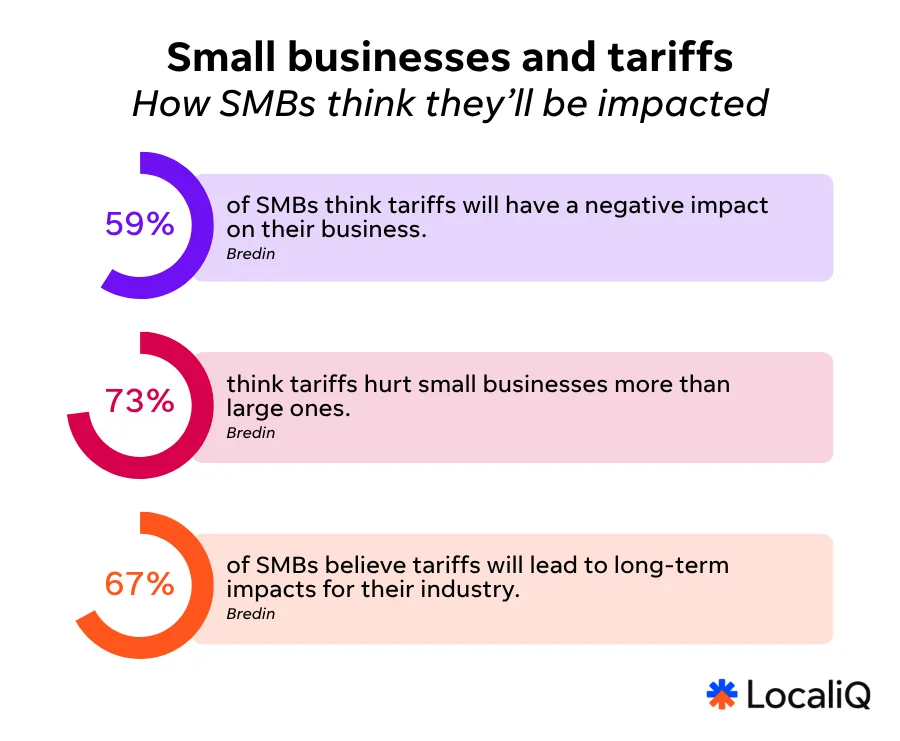
- 59% of SMBs think tariffs will have a negative impact on their business.
- 73% think tariffs hurt small businesses more than large ones.
- 67% of SMBs believe tariffs will lead to long-term impacts for their industry.
Some of the industries analysts predict will be most impacted are manufacturing, retail, car dealerships, and vehicle repair. This is likely due to many of these industries needing to import materials from other countries, which may drive up the cost of business. The job market has also slowed in recent months, which some experts attribute to uncertainty around tariffs. Many businesses have been anticipating the potential impacts they might see as a result of tariffs and have been much more cautious about spending as a result, according to Fortune.
The industry that experts believe will be the least impacted is healthcare. This is likely because the healthcare industry relies less on importing and/or exporting goods and services.
Many business owners and marketers have concerns about how this could impact their operating costs. In fact, according to Bredin, 72% believe tariffs will impact operating costs. This could lead to increased prices for consumers and slower growth from small businesses—because they’re anticipating impacts from tariffs, they may be less willing to expand, introduce new products or services, and invest in growth strategies.
🍀 Speaking of growth…Download our free, editable growth strategy template to walk through seven simple steps for creating the right plan to grow your business–no matter what’s happening in the economy.
What small businesses can do about tariffs
If you’re keeping an eye on tariffs and potential impacts to your business, there are some steps you can take to prepare and keep your business running smoothly. Here are our top recommendations for how to navigate this environment.
Cut costs where applicable
There are likely areas of your business where you can cut costs, to keep operating costs streamlined. Here are some considerations:
- Understand your costs and profit margins
- Get creative about how you’re spending (and where!)
- Find processes that can be streamlined and automated (more on this next)
- Search for other suppliers
- Stock up on products now
- Cut unnecessary subscriptions, services, and products
By carefully managing your cash flow and cutting unneeded costs, you can give your business the best chance for success despite any potential tariff impacts.
Find processes that can be automated
AI has so many practical uses that can help you automate tasks that were once more tedious, time-consuming, and expensive. Look for ways to automate processes that take up your valuable bandwidth or that previously required expensive subscriptions or software to accomplish.
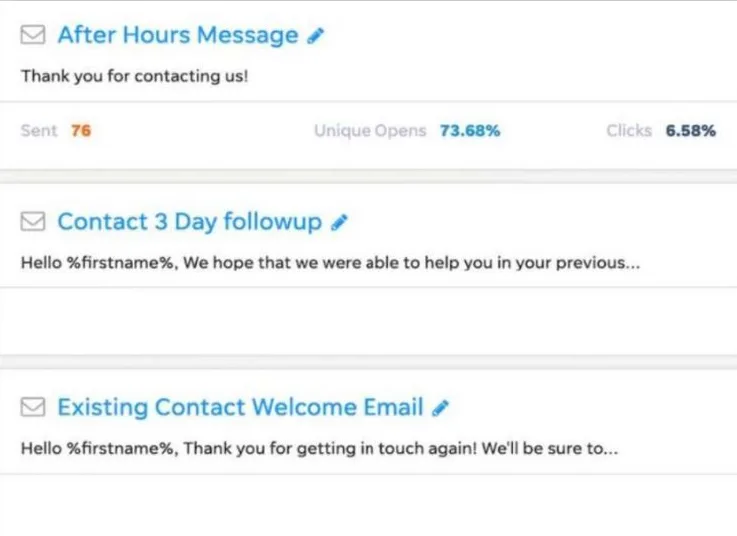
For example, there are plenty of affordable solutions to help you track, follow up with, and nurture leads—a historically labor-intensive process. If you can automate this, you can not only save yourself (or your team) some time, but you can maximize the number of converted leads that come into your business.
Be customer-centric
Businesses aren’t the only ones keeping an eye on tariffs. Many of your customers are likely curious about how tariffs will impact prices for them.
When consumers have less to spend, they’re usually pickier about what they buy—and who they buy it from. By identifying key customer needs and ensuring you can meet those needs, you can remain top of mind with consumers even during times of economic uncertainty.
Create a personalized experience
Shoppers seek personalized experiences. And small businesses have a unique opportunity to create that for themselves. As a small business, you’re interacting and engaging with your customers every day. You can connect with them, understand what they’re looking for, and offer it to them.
Plus, small businesses now have access to some of the same technology larger businesses have that can help personalize marketing messages and ad targeting, so you’re no longer behind the curve.

This online retailer generated personalized recommendations in an email to customers.
🕵️♀️ Want to understand who you should be targeting with your marketing? Download the guide >> How to Find Your Target Audience [Simple Steps!]
Adjust your marketing strategy (rather than shut it off)
When there’s economic uncertainty or hardships, many small businesses feel like they need to completely cut their marketing budgets. But the reality of doing this is more detrimental to your business than you might think. Without a strong marketing strategy in place, it will be challenging to maintain or grow your business now, and the follow-on effects could last much longer than you anticipate.
Rather than completely cutting your marketing costs, we recommend reworking your strategy so you’re focusing your spend on the marketing tactics that are most effective in helping you meet your goals during a recession.
Of course, there may be times when you need to cut marketing costs or decrease your marketing budget. If that’s the case, prioritize the strategies that bring in new leads at the lowest cost per acquisition, and that contribute to a positive customer experience, like your website, live chat, and paid search advertising.

Mitigate the risks of tariffs to your business
The economy is difficult to predict, and right now, its status is shifting regularly. By preparing your business for potential economic impacts, investing in the right marketing mix, and delivering the best possible experience for your customers, you can continue thriving despite what comes your way.
For help developing the right strategy for any economic situation, let’s talk!

Recommended for you




Unlock your business potential
We offer innovative technology and unparalleled expertise to move your business forward.