


People consume content across multiple platforms every day, from television to social media to their local newspaper to the billboard they see on their morning commute.
That volume of content consumption means someone could encounter dozens of brands and hundreds of different messages in a single day. So how do you make a lasting impression in the digital era?
To break through all that noise, your business must consistently show up with a clear, cohesive message in the places your audience spends time online.
Multichannel marketing is how to do that. Read on to learn more about how this strategy supports businesses of all sizes that want to stand out.
Contents
- What is multichannel marketing?
- Why multichannel marketing is important
- 7 steps to create a multichannel marketing strategy
- Multichannel marketing examples
What is multichannel marketing?
Multichannel marketing is an approach to reaching prospective and existing customers across a curated set of channels, both digital and analog. A consistent voice and presence across each one means people are more likely to encounter and recognize your brand. Over time, with consistent touchpoints, they get to know you on a deeper level. And, as that old marketing truism goes, people buy from businesses they know, like, and trust.
In multichannel marketing, you select a handful of marketing channels where you want your brand to be active. Your multichannel marketing strategy might include:
- Social media
- Email marketing
- Digital advertising
- SEO/website
- Print ads
- Direct mail
- Podcast or video
- SMS
- Physical signage
- Blogs
Multichannel marketing gives you the chance to greet customers with consistent messaging across channels, while providing the flexibility to adjust your approach to suit the channel you’re working within.
🚀 Multichannel marketing is one way to grow your business. Get more when you download Your Easy-to-Use Growth Strategy Guide (+Template!)
Why multichannel marketing is important
Today’s digital landscape fractures everyone’s attention. Think about a typical day on your own phone. You may toggle from texting friends to scrolling Instagram to checking your inbox, then bounce over to Google Maps to look for a restaurant for dinner tonight. Most phone users split their time across 18 different apps.
A business that wants to acquire new customers or sell to existing ones must capture that fractured attention. Establishing a presence for your brand in the channels where your audience hangs out is essential to becoming a known entity.
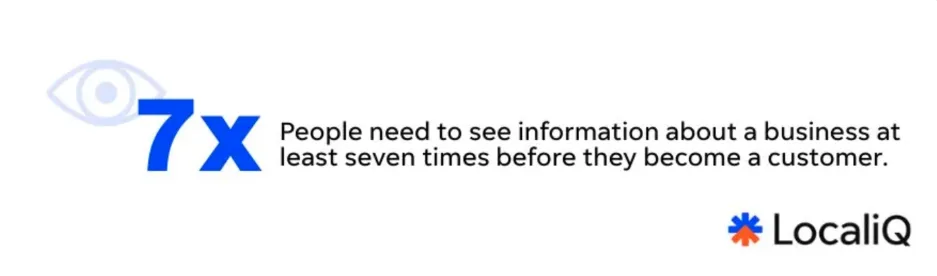
The “rule of seven” in marketing says a customer needs to hear a brand’s message at least seven times before they feel ready to make a buying decision. In today’s world, to get your message across multiple times, you need to appear in more than one channel.
By putting your name, logo, and brand positioning out there via various channels, you increase the likelihood that your ideal customers will encounter your brand. And being present in various channels means you’ll hit that magic seven number faster than if you were only present in one arena.
7 steps to create a multichannel marketing strategy
If multichannel marketing sounds like a fit for your business, this step-by-step guide will help you create a repeatable, measurable strategy.
1. Define your goals
Every sound marketing strategy begins with a clear understanding of what you’re trying to achieve. Using the SMART goal framework helps you define specific marketing objectives to work toward, and it frames them in a way that you can ultimately measure outcomes and see if you were successful.
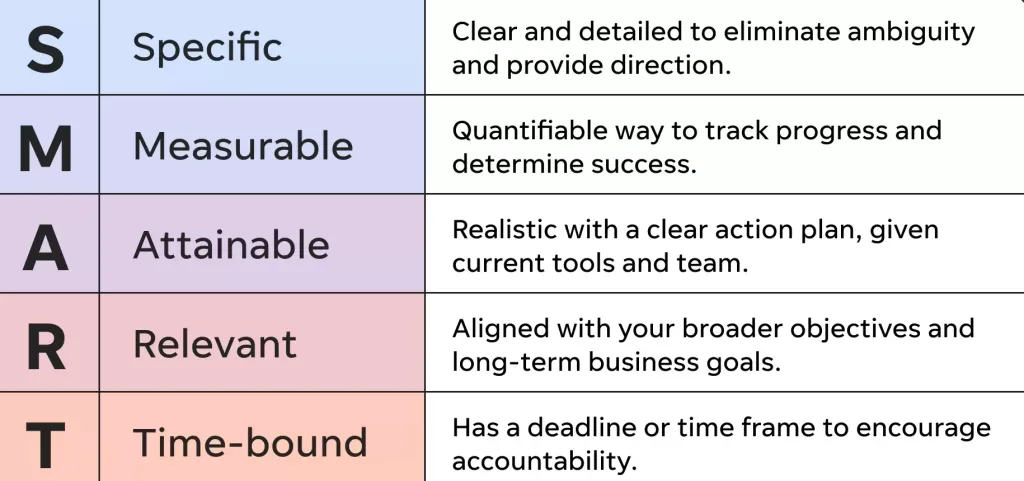
A multichannel marketing goal should take into consideration the breadth of the underlying strategy. Multichannel marketing encompasses all of your tactics, so your goal should be broad. It may be built around key metrics like increased engagement, more conversions, or better marketing ROI.
2. Identify your ideal customers
Marketing becomes most efficient when it targets your ideal customer. If you’re unsure who these people are, turn to your existing customers. Which people buy the most with the least amount of friction? Do they share any common traits? Perhaps they live in a certain area, have a specific household income, are in the same age bracket, or work in adjacent industries.

When you know your target audience, you can choose the right channel and message to reach them.
Unearthing these common attributes can point you toward the type of customer you’d like to attract in the future. Armed with this information, you can craft a plan to connect with others who fall into those demographic or psychographic groups.
💡 Free resource! How to Find Your Target Audience in 6 Steps (With Examples!)
3. Establish your marketing channels
Once you understand your marketing objectives and who you’d like to target with your messaging, you can move on to identifying the best channels to include in your multichannel marketing strategy.
There are dozens of marketing channels to choose from, but only some of them will suit your goals and audience.
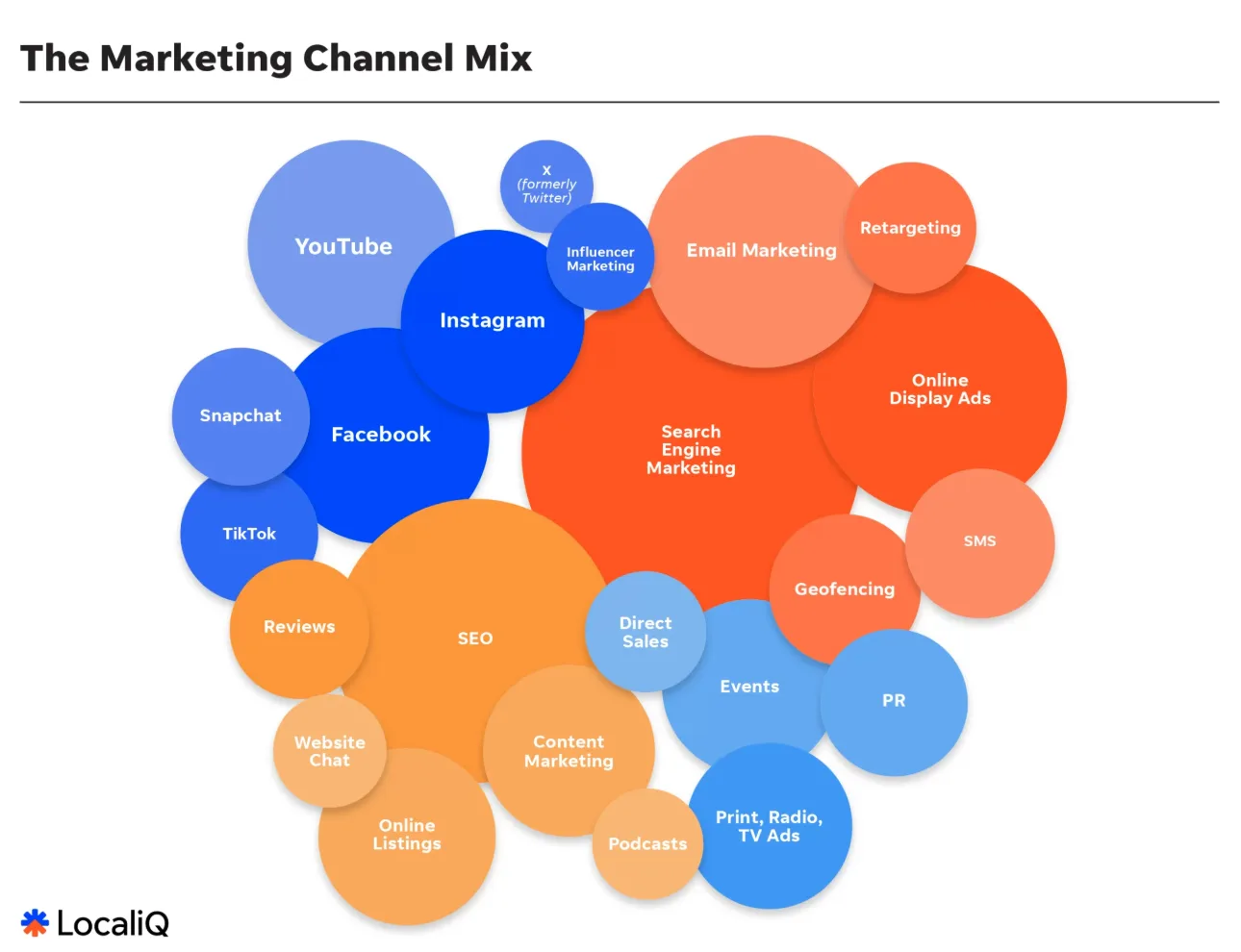
To find the right channels, dig into where your current and ideal customers tend to gather. Is there a social media channel that’s most popular with the age group you target? Is there a marketing channel you’re already using that consistently delivers strong results?
Select a handful of channels to suit your multichannel marketing strategy. Don’t feel pressured to add more than your team can reasonably handle. Consistency is key in marketing, and it’s better to be regularly present on three channels than it is to appear sporadically on six.
4. Define your messaging
Once you’ve established what channels you’ll be active in, who you’re targeting, and why, you can develop a more specific plan for reaching your audience. First up is understanding your messaging.
This starts with defining your positioning statement. What do you do, who do you do it for, and why are you the best provider of that product or service? From that core point, you can develop messaging pillars—the handful of key benefits your brand offers or represents. This foundational marketing work will power each piece of content you create and share across the channels in your strategy.
5. Understand your multichannel ecosystem
With your core messaging in hand, it’s time to map out how the elements of your multichannel marketing plan fit together. Successful multichannel marketing plans have a cohesive, but not duplicative, messaging approach.
Unlike other strategies, like cross-channel marketing or omnichannel marketing, which demand integration across channels, multichannel marketing meets customers in their preferred channel without moving them into a funnel where you encourage more engagement elsewhere.

This allows your audience to engage with your brand on their own terms, but that doesn’t mean that you should copy-paste your strategy across platforms.
Each marketing channel has its own set of strengths and weaknesses. Understanding how those intersect with your goals can help you find the right way to leverage each channel. For example, consider these common marketing channels and where they might fit into your broader strategy:
| Channel name | Great for… | Not a fit for… |
| Pay-per-click advertising (PPC) | Getting your business more exposure in search results for key terms | Building deeper trust or sharing educational content |
| Organic social media | Growing trust over time with followers | Rapidly expanding your reach to new audiences |
| Remarketing | Staying top-of-mind with people who’ve already engaged with your brand | Connecting with new prospects |
| Email marketing | Sending targeted messages directly to people who already know your business | Building awareness among those who have never encountered your brand |
| Physical store | Letting people experience your products in person and “try before they buy” | Connecting with people outside your immediate geographic area |
6. Set your calendar and cadence
Now you can take that final, crucial step: actually creating your content calendar and establishing a publishing cadence across your channels.
Building your calendar out in advance offers distinct benefits. It helps you stay ahead of asset creation and avoid the dreaded writer’s block that comes with brainstorming content topics on the fly. It also unifies your plan and makes it easier to spot content gaps so you can maintain balanced coverage across your channels.
7. Measure performance and adjust as needed
A multichannel marketing approach is inherently complex. There are various elements at play, and success depends on each channel doing its part. To see how you’re progressing, watch your marketing metrics across all channels.
A successful multichannel marketing strategy will help your brand stand out with the right audience in each channel. Is your PPC ad spend delivering a healthy number of new visitors to your website? Is your YouTube channel providing educational content to those in the consideration phase? Does your newsletter keep long-time subscribers engaged and drive repeat purchases?
By watching metrics, you can identify any sticking points in your multichannel marketing ecosystem. Data can help you diagnose an issue more effectively and address it quickly to keep your plan on track.

And don’t forget to use your data to answer the most important question of all: How are the metrics you’re gathering across channels rolling up into your broader marketing goals? Are your efforts across channels ultimately driving the overarching performance metrics that matter most to you?
Multichannel marketing examples
Here are a few examples of multichannel marketing at work in the wild.
Green Dental Care
Your multichannel marketing strategy doesn’t have to be complex or overly expensive.
For example, Green Dental Care publishes service-related content to Instagram, maintains a lead-generating website, and shares customer stories on YouTube.

Cuddle Clones
Using a multichannel marketing strategy gives you nearly infinite ways to promote your business and generate leads. Besides using social media regularly, Cuddle Clones uses a customer quiz on their website and SMS marketing for time-sensitive sales.

Facet Foundry
A great way to use multichannel marketing is to include both paid and unpaid channels. Facet Foundry exemplifies this by regularly publishing blog posts that help convert customers and improve its SEO standing. The business also invests in display ads to put the brand in places its target customers trust.

Expand your reach with multichannel marketing
If you want your business to grow, you must meet your audience where they are. In the digital era, people are increasingly interacting across multiple channels each day. Identifying the places where your audience already gathers, creating a message that’s built to resonate, and showing up consistently on those platforms with that message is the key to long-term success.
As time goes on, monitor your efforts and look for new opportunities. Sometimes, this means investing in a new channel or leaving an old one behind. When you measure your performance, you can make informed decisions about your strategy that help you build a stronger approach to support your broader business goals.

Recommended for you





Unlock your business potential
We offer innovative technology and unparalleled expertise to move your business forward.