

Maybe you’re considering launching your first digital advertising campaign. Maybe you’ve been in the Google Ads ecosystem for years but are getting curious about the new kid on the block, OpenAI and its ChatGPT Ads. No matter where you are in your online advertising journey, understanding the differences between Google Ads and ChatGPT Ads is vital as artificial intelligence platforms continue to gain traction and become a search destination for many users.
Here, we’ll delve into ChatGPT Ads vs. Google Ads. We’ll explore the differences, similarities, and what small businesses should consider when deciding where to spend their online advertising dollars.
Contents
- Comparing ChatGPT Ads vs. Google Ads
- What are ChatGPT ads?
- How do ChatGPT ads work?
- What are Google Ads?
- How do Google Ads work?
- ChatGPT Ads vs. Google Ads: Which are best for small businesses and local advertisers
- Can you advertise on ChatGPT Ads and Google Ads at the same time?
🛑 Are your Google Ads working as hard as they could be? Use our Free Google Ads Grader to find out.
Comparing ChatGPT Ads vs. Google Ads
Google Ads lets you show ads across Google Search, Maps, Shopping, YouTube, and partner websites. ChatGPT Ads are sponsored placements that appear below ChatGPT’s responses.
Both platforms get you in front of buyers who are researching the solution your product provides. But they differ in areas like intent, reach, and maturity.
Google searchers often know what they want and are ready to act, while ChatGPT users tend to be earlier in the process, asking questions and comparing options. Google offers a massive reach across a wide variety of sites and apps. ChatGPT’s reach is focused on free users of its platform. Google Ads is a proven platform with many ad formats, while ChatGPT Ads are newer, come in one format, and are still rolling out.
| Google Ads | ChatGPT Ads | |
|---|---|---|
| Where ads appear | Google Search, Maps, Shopping, YouTube, and partner sites across the Google Display Network | Below ChatGPT’s responses, in a sponsored box separate from the answer |
| Targeting | You generally choose keywords to bid on and negative keywords to exclude. | ChatGPT matches your ad to the topic and intent of the conversation. There’s no keyword targeting. |
| User intent | Searchers often know what they want and are ready to buy or book | Users tend to be researching, asking questions, and comparing options |
| Audience reach | Huge reach across Google’s own properties plus millions of partner sites and apps | Limited to ChatGPT Free and Go plan users |
| Ad formats | Text, Shopping, Maps, video, display, and Local Services Ads | One format: a text-and-image callout with a link to your site |
| Billing | Mostly cost-per-click, with pay-per-lead for Local Services Ads and other models for video | Your choice of cost-per-click or impression-based billing |
What are ChatGPT Ads?
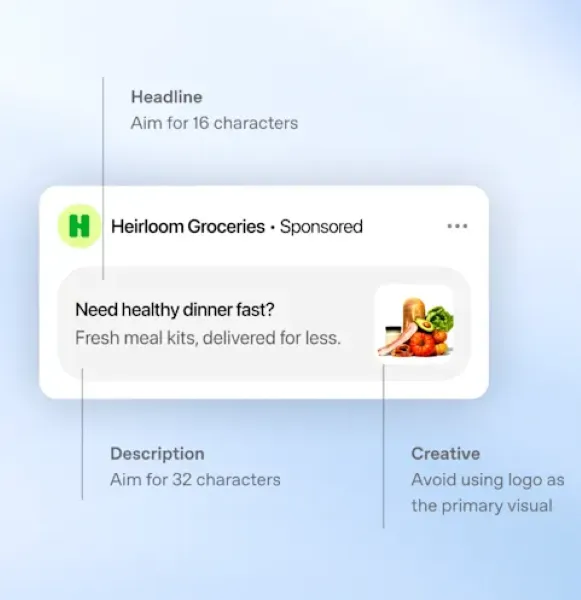
ChatGPT Ads are paid placements shown to Free or Go Plan users. They’re currently displayed at the bottom of ChatGPT responses. These ads are clearly marked as sponsored, with text and imagery appearing in a callout box that’s separate from the organic response. If users are interested, they can click on the ad and navigate to the advertiser’s site.
How do ChatGPT Ads work?
ChatGPT Ads are designed to appear in relevant conversations, with OpenAI’s advertising technology considering the content and intent of the user’s conversation alongside elements of the ad (like the content of the ad’s landing page) and context hints to match the user with an ad that suits their needs. The platform does not offer traditional keyword targeting that seasoned PPC advertisers will be familiar with.
Advertisers can choose from impression-based or click-based billing, making the platform a fit for those looking to build brand visibility or to drive traffic to their site. ChatGPT recommends advertisers start with a maximum bid of $3-$5 for CPC campaigns, while you can set a maximum bid at the ad-group level for impression-based campaigns.
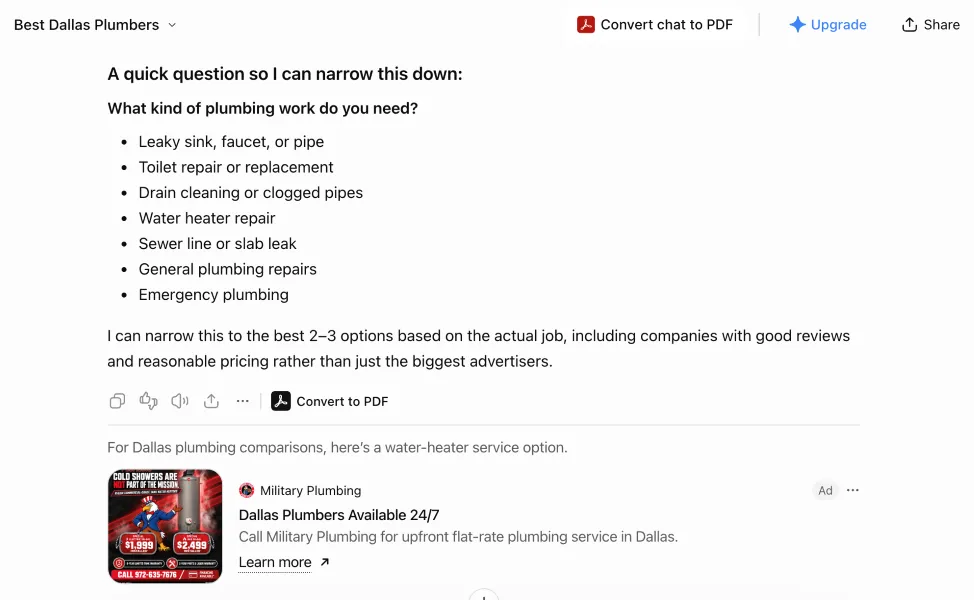
One thing ChatGPT is keen to note about its advertising program is that you can’t pay to influence the organic output within the conversation—paid ads sit completely outside the back-and-forth conversation between users and the platform.
🔎 Make sure you’re seen in AI search! Get The Complete AI Search Toolkit: Practical Strategies to Get Found by AI
What are Google Ads?
Over the years, Google has grown to be a dominant force in digital advertising, and today, Google Ads encompasses a wide range of assets, from sponsored results to Maps placements to product ads with photos to YouTube ads. Because of the breadth of its advertising products, businesses have many options when they choose to run Google Ads.
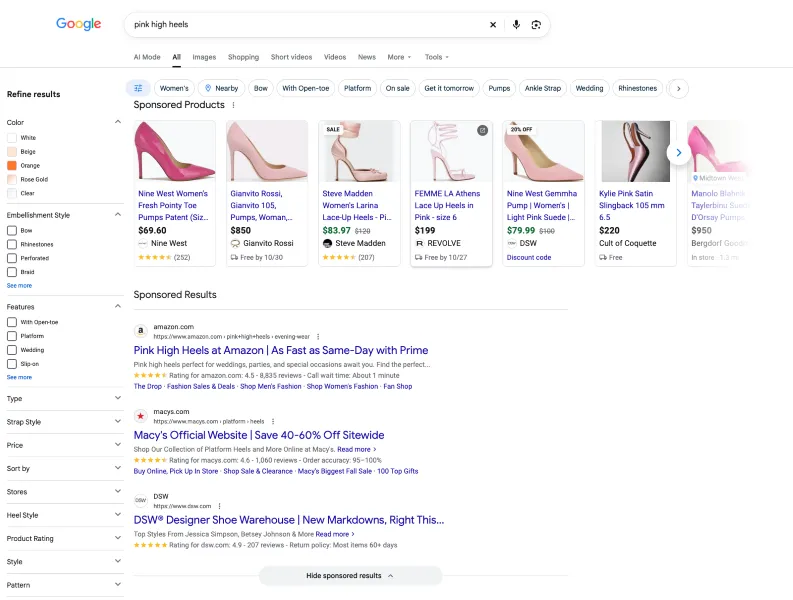
A search for “pink high heels” turns up several types of Google Ads results.
The main hallmark of Google Ads is the ability to target keywords with your advertising. If you want to appear in searches for specific words or phrases, you can bid on those placements. You can also identify negative keywords—those search terms you don’t want your ads to show for.
How do Google Ads work?
Google Ads are a bit more complex simply because they’re an established product with lots of advertising options. As an advertiser, you can choose to run a variety of Google Ad types that break down broadly into a few categories:
- Traditional search ads: These are the sponsored blue links you see ahead of organic search results. Search ads are text-only results and drive to a landing page of your choice.
- Local Services Ads: Google reserves Local Services Ads for service providers in specific industries and regions. They appear above regular sponsored and organic results, offering prime placement for businesses that run them. Unlike traditional PPC ads, Local Services Ads invite users to reach out to the advertiser directly from the ad, and Google charges businesses for each lead.
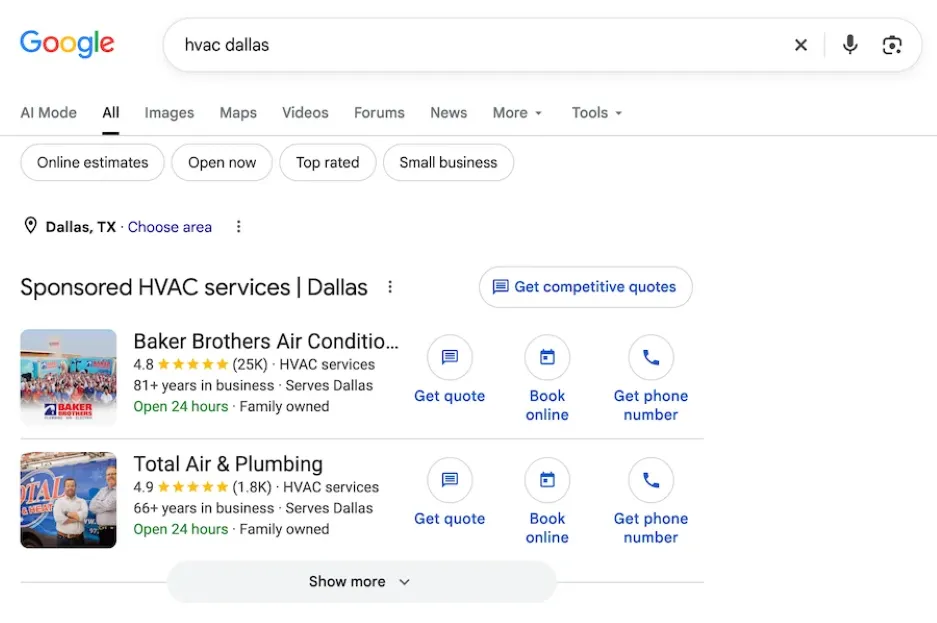
- Sponsored Maps results: These ads appear at the top of the Maps results when people look for local businesses.
- Shopping ads: When you search for a product online, these ads feature a photo of the item and appear at the top of your results page. They also display as sponsored results on the Shopping search tab.
- Video ads: If you’re advertising on YouTube, you’re likely running a video ad. These may play at the beginning of organic content, or they may interrupt longer videos as a “commercial break.”
Google Ads also allows you to run display ads on third-party sites via the Google Display Network.
Because its ad types are so varied, there are also different forms of billing, bidding, and building campaigns for each. Google is known for its cost-per-click (CPC) model employed in its traditional search ads, but other forms of ads, like Local Services Ads and video ads, have different structures.
ChatGPT Ads vs. Google Ads: Which are best for small businesses and local advertisers
With all that information about each ad platform, your natural next question might be, “Which one is right for me?”
There is no one-size-fits-all answer in digital advertising. What suits your business will depend on your broader objectives and your marketing plan. Before running any ads, it’s helpful to set a SMART goal. What do you want your ad campaign to achieve for your business, and how does that contribute to your broader success?

If your marketing objective is to drive immediate sales, Google Ads might better serve you. Searchers who turn to Google often have high intent, know what they want, and seek a more immediate solution.
However, if you’re looking to build awareness in a new market, ChatGPT might be worth a little experimentation. People often treat ChatGPT as an interlocutor, asking it for advice, hearing its feedback, and pushing back or asking for more depth. Plus, 42% of AI users say they’d research a brand further after seeing a relevant ad.
These searchers may be in a more inquisitive mode, and less likely to buy right away. But if you capture their attention at the right stage in their research, you could end up on their short list of potential businesses.
| Marketing goal | Platform to consider first | Why? |
|---|---|---|
| Generate leads from people actively looking for a service | Google Ads | Search engines capture existing demand for specific services and locations (think: “plumber near me” type of queries). |
| Drive online sales for products people already search for | Google Ads | Search and Shopping ads can connect product intent to a purchase. |
| Reach people comparing their options or doing foundational research on a need they have | ChatGPT | Contextual advertising can meet people as they explore their options. It may drive a sale now, or it may lead to a purchase decision later. |
| Test an emerging advertising channel | ChatGPT | ChatGPT Ads aren’t available everywhere, and some businesses may be sitting on the sidelines for now. Early exploration of the platform may give you a head start over your competitors. |
| Build a multi-format paid advertising strategy | Both | Each platform speaks to a different point along the customer journey. Advertising on both puts you in touch with those in discovery mode and those ready to purchase. |
Can you advertise on ChatGPT Ads and Google Ads at the same time?
The short answer is yes. Depending on your business objectives and budget, it may make sense to run ads on both platforms. If you choose to run Google Ads and ChatGPT ads simultaneously, keep the following points in mind:
- Clarify your goal for each channel: Setting an objective for ChatGPT Ads that’s distinct from your aim for Google Ads will help you create campaigns that are more laser-focused on serving each intention.
- Establish clear tracking for each campaign: Make sure you can attribute any results to the respective campaigns. Unique landing pages or UTM codes can help you understand who came to your site via Google Ads vs. ChatGPT Ads.
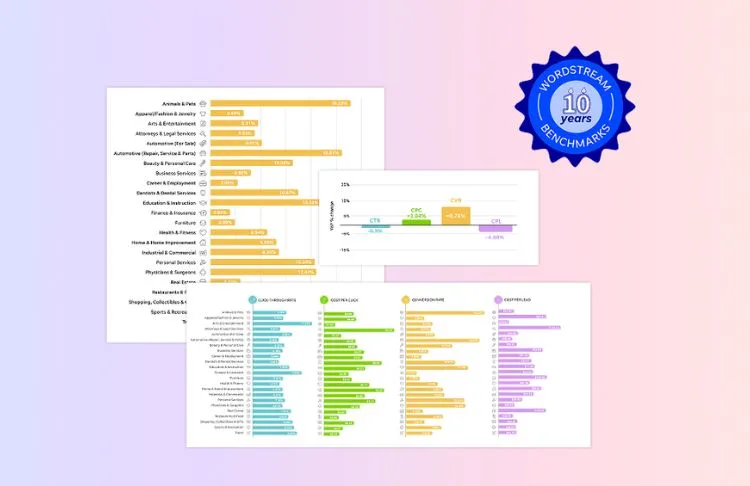
- Pick your metrics to watch: These should align with your campaign goals. If you’re trying to drive traffic to your site, your click-through rate matters. If the ads are designed to encourage appointment bookings, your conversion rate is important. These advertising benchmarks can help you set reasonable expectations.
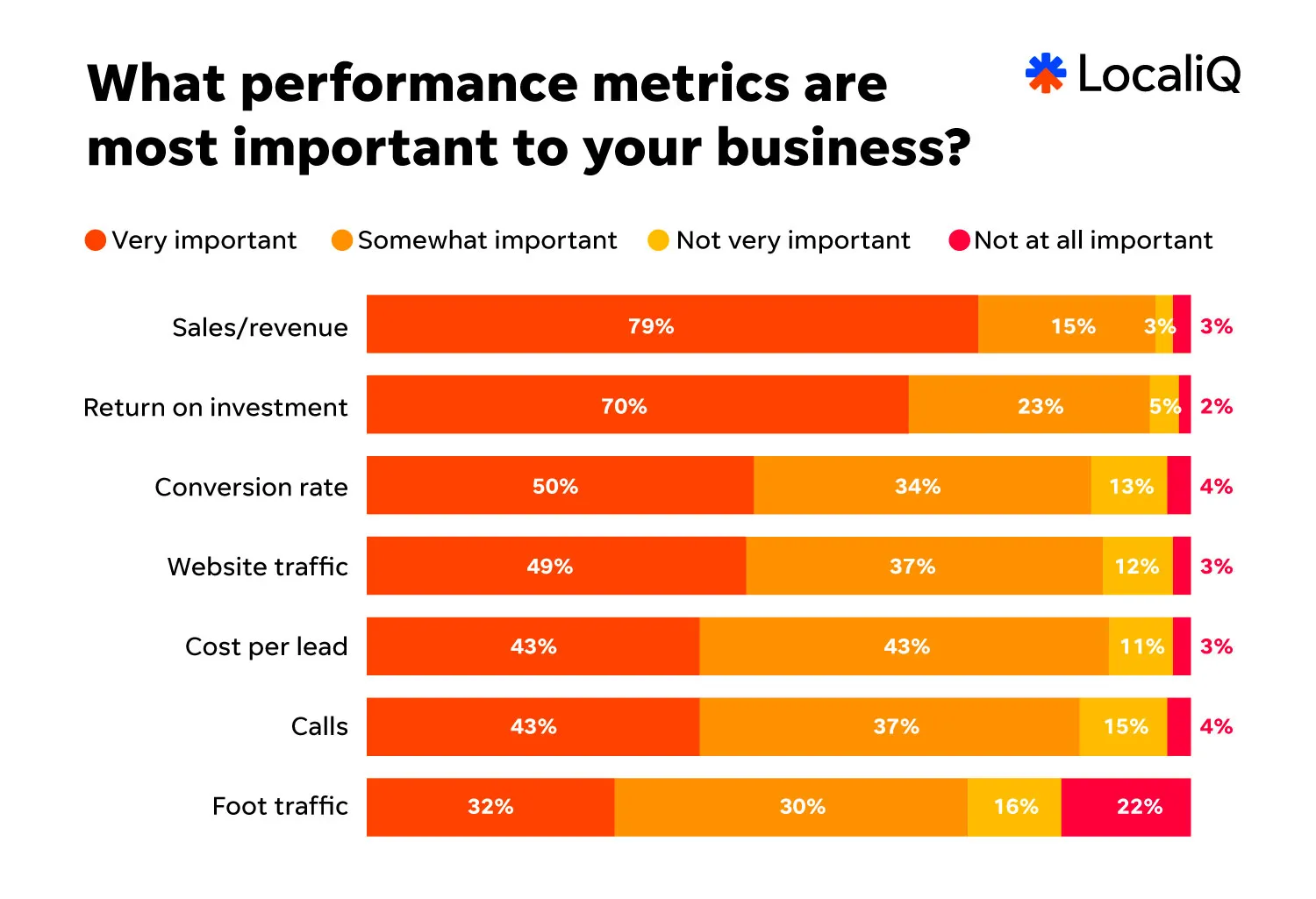
Pick the most important metrics for your business and campaign, no matter which ad platform you choose.
- Give it a fair shot: You can’t declare success or failure after only a week or with a budget of $5 per day. Ensure you can invest enough budget into your test to generate meaningful results that help you make an informed decision about which platform works best for your goals.
- Be ready to pivot: Once you’ve run a proper test of your ChatGPT Ads vs. Google Ads, you may have a clear winner. If you do, be willing to adjust your spending and priorities accordingly. Or if the results are less clear-cut, consider testing different approaches on each platform to see if you can generate more telling results.
Compare ChatGPT Ads vs. Google Ads for your business
No two businesses require the same digital advertising strategy. What works for you will depend on your overall business goals, your broader marketing strategy, and where advertising fits into that plan.
Google Ads is a proven performer that delivers for most businesses. ChatGPT Ads are less established, but show promise where buyers tend to use AI for deeper research.
Deciding where your budget goes is a big decision. Reach out, and we’ll show you how our digital advertising experts and proprietary technology can help prioritize the channels and tactics that deliver the best return for your unique business.

Recommended for you



Unlock your business potential
We offer innovative technology and unparalleled expertise to move your business forward.