
Are you struggling to keep your sales pipeline full of new buyers?
You’re not alone. In our survey of over 100 small and medium-sized businesses, nearly half said getting new leads and customers is challenging (and 13% described the task as “very challenging”).
It can be disheartening, especially when you pour so much into delivering a great product or service. The good news is that it may just take one tweak to your marketing strategy to find a new source of low-hanging leads.
We’ve identified 10 common ways businesses miss out on new customers. From refocusing your website so it converts more customers to scoring leads for faster outreach, we’ve got the fixes to these pesky problems so you never leave a lead on the table again.
Contents
- Not replying to leads quickly
- Not responding to reviews
- Not keeping business directory listings current
- Not having a conversion-focused website
- Not tracking your leads
- Not scoring leads
- Not using lead capture forms and lead magnets
- Not nurturing leads
- Not capturing leads after hours
- Not being active on social media
1. Not replying to leads quickly
When someone contacts you looking for information or a quote, they expect a response pronto. And the time they’re willing to wait is shrinking.
An older study by the Harvard Business Review revealed that replying to a customer inquiry within an hour made it seven times more likely that you would close a sale. A more recent survey by HubSpot showed that most people expect to be contacted back within 10 minutes!
That can be a hard standard to meet—especially when you’re in the field doing the work an existing customer hired you to do.
How to reply to leads faster
You could hire more internal office staff to handle calls and texts while you’re tackling other tasks. That’s not efficient for many businesses since there can be a lull between calls.
AI agents offer another option that’s becoming popular with small businesses. Tools like LocaliQ’s Dash™ use AI to provide fast, contextual answers almost instantly.
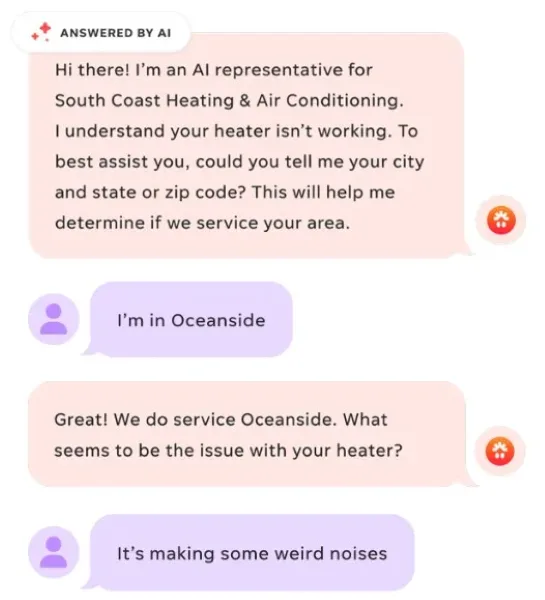
The Dash AI agent will field incoming questions instantly so potential customers don’t look elsewhere for answers.
Once the AI agent is trained on your business and product information, it can field any number of incoming messages so that it won’t get bogged down by all the new inquiries from your latest promotion.
⭐⭐⭐⭐⭐ Want more reviews? Download How to Get More Reviews: 8 Tips to Boost Ranking, Reputation, & Revenue
2. Not responding to reviews
Most people read multiple reviews before making a purchase, so obtaining more positive reviews is a great way to attract new customers. But you may be leaving leads on the table if you’re not responding to all those glowing opinions your customers post online.
Why? Because 97% of consumers say they also read how a business replies, and that it affects their decision. In fact, people spend nearly 50% more money with businesses that respond to reviews. And 88% of consumers say they’ll overlook a bad review if the business responds to it properly.
How to respond to reviews
The first step in responding to reviews is knowing they exist. You’ll need to monitor major review sites like your Google Business Profile to see when those reviews come in. You can manage that natively through each business listing directory or use a tool that collects your reviews in one place.

A directory listing management tool will make it easier to see and respond to your reviews.
Once you have a reliable method for seeing new reviews, there are a few things to keep in mind when you respond to them:
- Be timely: Respond quickly so people who read your replies know you’re paying attention.
- Assess before you respond: Learn the facts and understand the tone of the review before typing a response.
- Take negative reviews offline: After you address the initial situation and apologize (if warranted), ask to move the conversation to DMs or a phone call.
- Be specific: Tailor your response to include specific points the review highlighted, so it doesn’t appear generic.
- Keep it short: Say everything you mean to say, but don’t write a long essay since most people skim reviews and responses.

3. Not keeping business directory listings current
Online directories like Google Business Profile, Yelp, and Foursquare offer a free and easy way to get in front of potential buyers. Yet many businesses are either completely absent from those directories or have information missing from their listings.
For example, in our review of 100 home service businesses from across the US, only 15% had complete and correct information in their listings. On average, these businesses were not listed in six of the 18 directories we examined.
Considering 98% of people go online to find local businesses, similar information gaps could be costing you a lot of low-hanging leads.
How to keep your directory listings updated
The very first step to start collecting leads from online directories is to claim your listing. Here’s how to claim your business on Google and how to claim your Yelp listing.
Once you’ve verified ownership of the listing, fill it in completely. This starts by verifying that your business name, phone number, website, and hours of operation are correct.
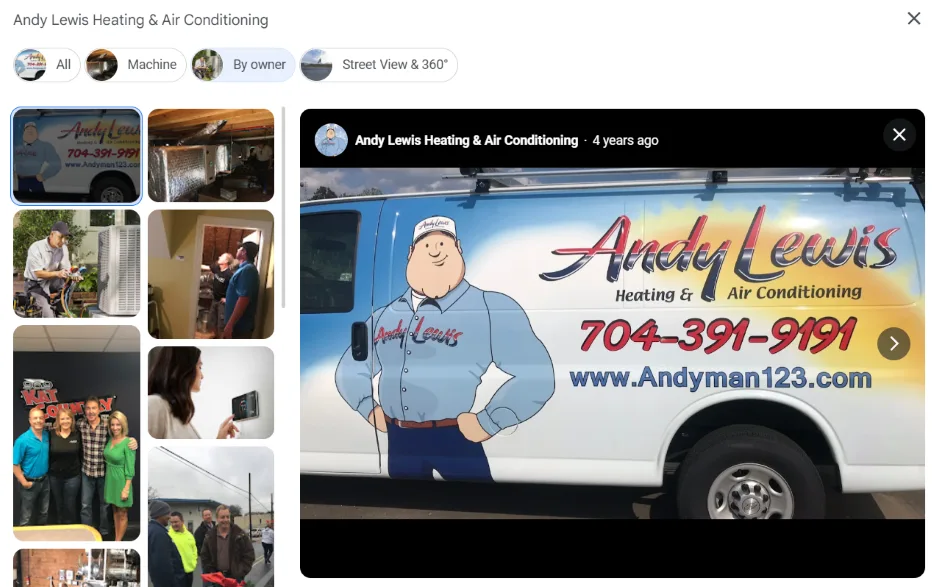
Adding photos of your team and completed work to your online listings will help generate trust with new customers.
But don’t stop there. Most directories offer ways to let you optimize your listing so it’s more discoverable and attractive. For example, on your Google Business Profile, you can:
- Add images and videos
- Include relevant business categories
- Create Google Posts
- Add and answer FAQs
Since your business is always evolving, you’ll need to review your listings on occasion to make sure the information is current. You can do that quickly with our Free Listings Grader.
4. Not having a conversion-focused website
No matter how people first learn about your business, many of them will eventually visit your website before making a purchase. HubSpot actually found that 97% of buyers said a provider’s website influenced their purchasing decision.
With such a crucial role in turning leads into customers, your website needs to be honed into a razor-sharp instrument of conversion, lest those leads leave without buying.
How do you create a conversion-focused website?
A conversion-focused website is one that has many elements designed to make the path to purchase obvious and easy. These elements will differ depending on the type of business you run. A dentist may have an appointment scheduler on their homepage, while a handyperson may lead with a quote request form.
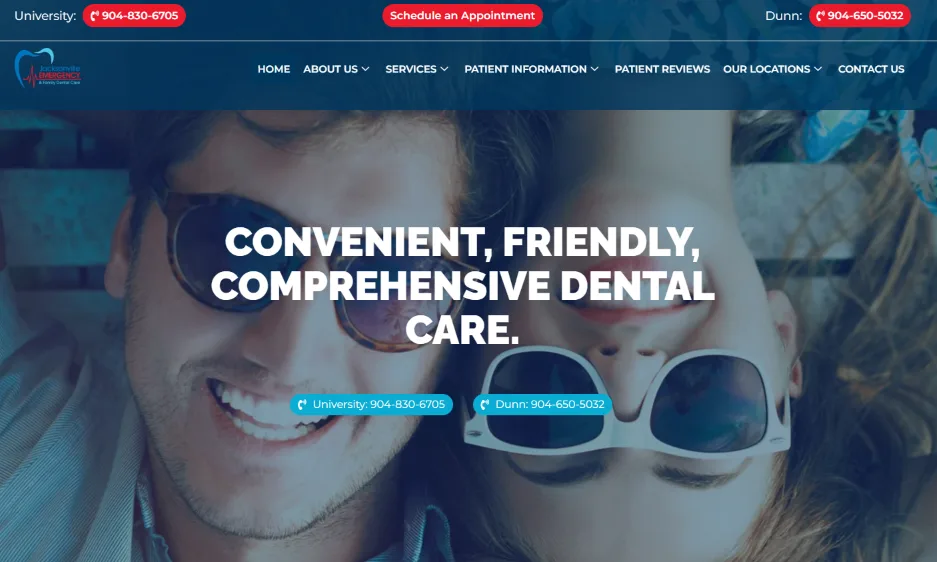
Conversion-focused websites offer several easy ways to take the next step in the buying process.
Here are several general elements to consider as you construct your conversion-focused website:
- Popups: Use popups that offer discounts, valuable ebooks, or other lead magnets in exchange for someone inputting their email address or taking some other valuable action.
- Calls to action: Your landing pages should have one clear CTA, such as “Buy Now” or “Schedule Your Appointment,” so there’s no question about what a visitor needs to do next.
- Contact info: Make it easy to find your phone number, email address, or contact form. Include it in several places and use contrasting colors to make it stand out.
- Chatbots: AI-powered chatbots don’t just answer questions; they can help schedule appointments and even provide quotes to keep prospects moving toward conversion.
🚨 Make sure your website is converting customers. Get The Most Common Website Mistakes (& How to Fix Them!)
5. Not tracking your leads
41% of companies report that it’s challenging to follow up with all their leads promptly. That makes sense. When your marketing does its job, you can see an influx of leads, and without a way to keep up with them, some will fall by the wayside.
That’s where lead tracking comes in. Lead tracking is the process of monitoring potential customers as they move through your sales process. It includes capturing, organizing, and analyzing prospect behavior and interactions until they convert into customers.
How to track your leads
At the very least, you’ll want a record of each lead, including contact details, the source of the lead, and its current status. This task is difficult to complete manually, so you’ll want a software solution to assist you.
Customer relationship management (CRM) platforms, such as Salesforce, can help. They let you update a customer record when they’ve moved through your sales funnel. The negative is that many CRMs are over-engineered for smaller businesses. Plus, they don’t always integrate with your marketing software, so there’s some manual work to track leads.
Another option is to use an integrated advertising solution that helps you manage marketing and track leads. These tools give you a bird’s-eye view of where leads come from and their recent activity without the manual updates.
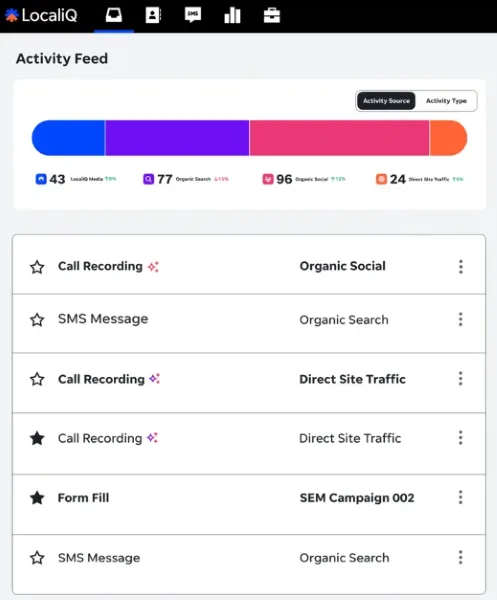
Lead tracking gives you a snapshot of where your leads come from so you can invest in the best marketing channels.
6. Not scoring leads
Lead scoring is the process of assigning a numerical value to the likelihood that a lead will convert into a buyer.
At first glance, that may seem like you’re adding a complication to the sales and marketing process. But the benefits are tremendous. Once you dial in your lead scoring model, you’ll quickly identify which marketing leads require immediate sales attention and which can be better nurtured through marketing assets.
In short, you’ll close the hot leads fast and keep cooler leads interested without scaring them away with aggressive sales tactics.
How to score leads
To create a lead scoring model, you’ll assign a value to different attributes of a lead based on how they correlate with the chance of them buying.
For example, let’s say leads referred from past customers close twice as often as other leads. And people who read your helpful guide to lawn maintenance are more likely to buy than people who don’t. You’d add points to a lead’s score for being a referral and more points if they read your guide.

If people who read your helpful guide are more likely to buy, give those leads points in your lead scoring system.
As you can imagine, the number of things you can include in your lead-scoring model is nearly infinite. The goal is to start small by including only the most obvious and influential factors. Then you can add more later.
Here are several categories to get you started:
- Demographics: Age, industry, company size, job title, location, etc.
- Behavior: Website visits, time spent on sales pages, newsletter subscription, ebook download, demo requests, etc.
- Acquisition channel: Customer referral, social media ad, Google search, etc.
If your lead count isn’t super high, you can use a simple spreadsheet and assign scores manually. You can also use a tool that tracks leads and assigns scores for you.
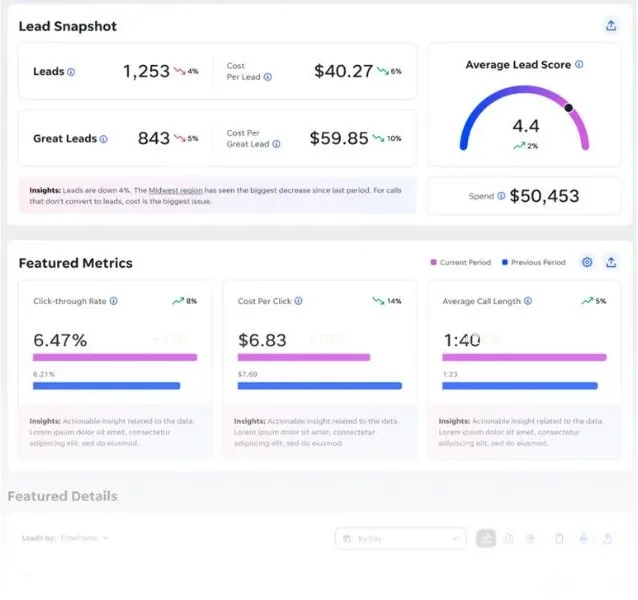
7. Not using lead capture forms and lead magnets
A lead capture form is a tool used to collect information from potential customers, using those details to nurture the lead and convert them into paying customers. Often, marketers offer a prospect a lead magnet—such as a discount or a valuable e-book—in exchange for completing the form.
These forms are popular and effective. 74% of marketers say they use lead capture forms, and almost half say they’re their highest converting lead generation strategy.
Without an optimized lead capture form, you may never have the opportunity to connect directly with people who visit your website.
How to use lead capture forms and lead magnets
To use lead capture forms, you just need a place for people to discover your form and a lead magnet to entice them to fill it out.
Lead capture forms come in many types and are found on several marketing channels. Website popups are a popular version of lead capture forms.

Discounts are a persuasive lead magnet for your lead capture forms.
Additionally, Google Ads offers a lead capture ad type called Lead Form Extensions. Facebook offers something similar called lead ads.
Here are some ideas to use as magnets for your lead capture forms:
- Giveaways: Offer a product, such as a sample size, in exchange for filling out a form.
- Gated content: Gated content is any form of content your audience would find valuable, including ebooks, checklists, templates, or educational videos, that you place behind a lead capture form.
- Webinars: Webinars provide your audience with access to an expert who will cover a topic they’re curious about, making them great lead magnets.
The best lead form strategy is to A/B test different types, copy, and magnets to see which mix performs the best. It’s also a good idea to rerun the test periodically to keep your forms up to date.
8. Not nurturing leads
Lead nurturing is the process of continuing a relationship with people who have shown interest in your product or service but aren’t ready to buy yet.
Here’s an example. Say you register to win a prize from a local yoga studio. From then on, they send you emails with updates on their classes and occasionally offer a coupon to try a session for free. Those emails are part of the yoga studio’s lead nurturing program.
Lead nurturing boosts lead generation and customer spend. Companies that are good at lead nurturing generate 50% more sales-ready leads. And nurtured leads spend 47% more than non-nurtured leads.
How to nurture your leads
You can use just about any marketing channel to nurture your leads. One of the most popular is email nurture marketing. Email doesn’t rely on an algorithm or ad bidding process, which means you have a lot of control over who gets your content and when they receive it.

You can also segment your audience and send them personalized emails. That’ll let you tailor your messages and offers so they’re more relevant.
Beyond email, you can use retargeting ads, SMS marketing, and even social media to keep leads engaged.
The two primary goals of lead nurturing are to build trust and motivate action. With that in mind, here are a few options for what to include in your lead nurture campaigns:
- Cart recovery messages: When someone leaves products in their cart without completing the purchase, send a reminder or offer a discount to encourage them to complete the purchase.
- Educational content: Send blog posts or videos that answer common questions about the topics that the lead showed interest in. Not only does that add value to the relationship, but it also establishes you as an expert in the space.
- Milestone celebrations: Send happy birthday texts or an email on the anniversary of the first time someone connected with your brand.
- Maintenance reminders: If it’s time to replenish a product or schedule a regular service, send an email reminder.
9. Not capturing leads after hours
Here’s a big one that’s a very common problem with such an easy fix. Your customers don’t only contact you during banking hours. In fact, many of them only have time to research when they get off work. If they can’t connect on their own time, they’re more likely to go on to the next business that can engage right away.
How to capture leads after hours
This task used to be much harder, but with new technologies like chatbots and AI in the mix, you can help potential customers anytime they need it.
Chatbots have become a popular option here. The number of businesses using chatbots has jumped by 92% in recent years. And with good reason, since 68% of people say they like the speedy reply they get from chatbots.
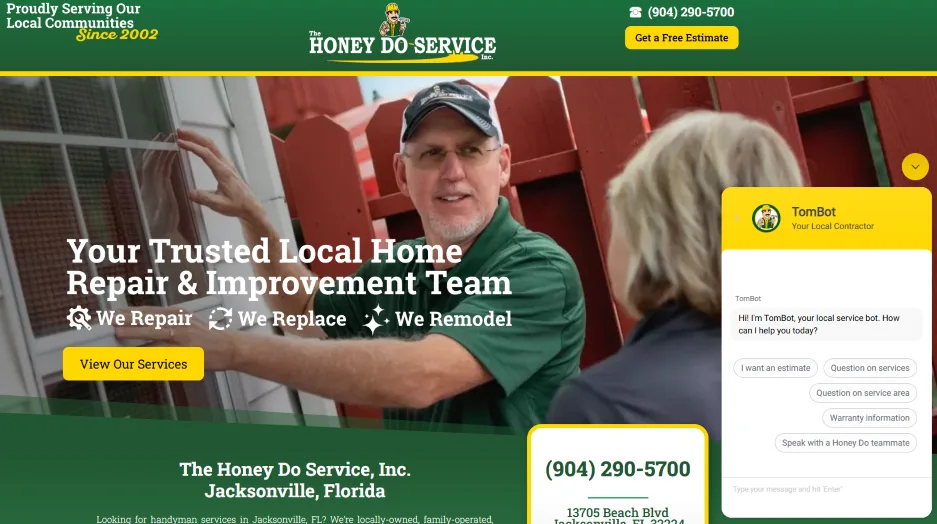
Tools that deliver contextual text replies and answer phone calls using AI are also becoming more accessible. These solutions can interact with people in complex ways, providing answers and setting them up for the next step in the buying process.
And of course, don’t sleep on automated email messages. A simple reply confirming receipt of a question can work wonders for keeping a lead around. One tip: make your messages as specific as possible. Let people know when you’ll get back to them and how.
10. Not being active on social media
If you’re not actively using social media for your business, it’s almost a definite that you’re missing out on new customers. Why? Because so many people use social media to find ideas, products, and new brands. And your competitors are already marketing to them.
Here are some social media marketing statistics to bring those points home:
- 93% of Pinterest users use it to plan or make purchases.
- 81% of people use Instagram to research products and services.
- Facebook users click on 12 Facebook ads on average every month.
- 2 million businesses use Facebook for advertising.
How to get leads from social media
The key to successful lead generation on social media is knowing when to entertain, when to educate, and when to sell. Here are some tips to help you get social media leads faster:
- Set goals: Use the SMART framework to set specific and time-bound goals for your social media strategy.
- Know who you’re selling to: Identify your target audience so you can figure out which messaging will work best for them.
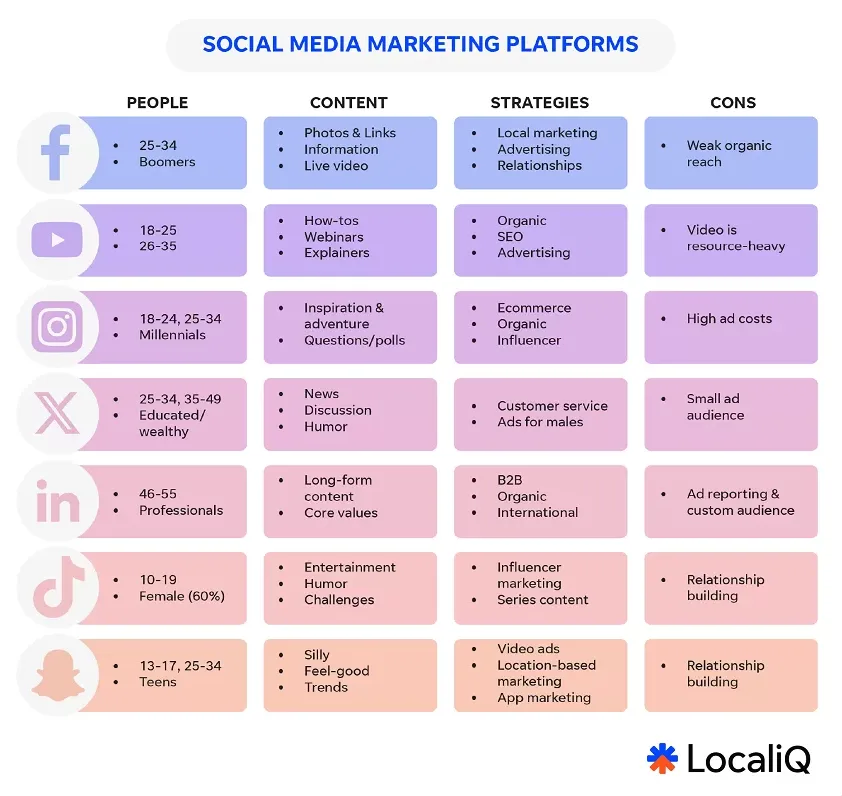
- Pick the best platform: Learn which social media apps your target audience uses most and focus your efforts there.
- Create a content plan: Set up a content calendar that lists which content you’ll post and when to keep you on track.
- Work to get engagement: Ask questions, reply to comments, and pay attention to which types of posts get your audience liking and sharing.
Don’t miss out on another customer
You deliver exceptional service and offer stand-out products. Don’t let a few small gaps in your marketing plan keep you from getting all the customers you deserve.
Start by assessing where you’re at and where you’d like to be. Then give the tips in this guide a try. Make sure to monitor progress towards the goal. Then, if one fix isn’t delivering enough leads, you’ll know to try the next.
And if you’d like to get even more customers faster, contact us and we’ll show you how our solutions can help.

Recommended for you







Unlock your business potential
We offer innovative technology and unparalleled expertise to move your business forward.