


Nearly half of all small businesses are planning to invest more in their paid search ads this year. This is a wise move as competition just keeps increasing year over year on search engine results pages. But many small businesses are only maintaining, not increasing, their spend on platforms like Google Ads for the same common reason: they feel like Google Ads are just too expensive for them.
If you’ve had the thought “I want to run Google Ads, but I just can’t afford it,” you’re not alone. However, you don’t have to be stuck in that cycle of wanting to advertise more, but hesitating due to costs, forever. Whether you’re already running Google Ads and hoping for a better ROI, or totally new to navigating Google Ads prices, there are strategies out there to help you get the best bang for your buck on the platform no matter your budget.
We’re sharing practical tips to help you determine if Google Ads is really too expensive for you, how to make the most of your budget, and more.
Contents
- Is Google Ads too expensive for your business? How to know for sure
- How to make Google Ads more affordable for your business
- What to do if Google Ads is truly too expensive for your business
Is Google Ads too expensive for your business? How to know for sure
Before we get into all the ways you can lower your Google Ads costs, let’s first go over what to expect in terms of average costs for your industry. Whenever you’re putting valuable time, money, and resources into a marketing or advertising channel, it can be easy to think any amount of campaign costs are pricey. Instead of going down the rabbit hole of how much money is too much money to spend on Google Ads, consider the following:
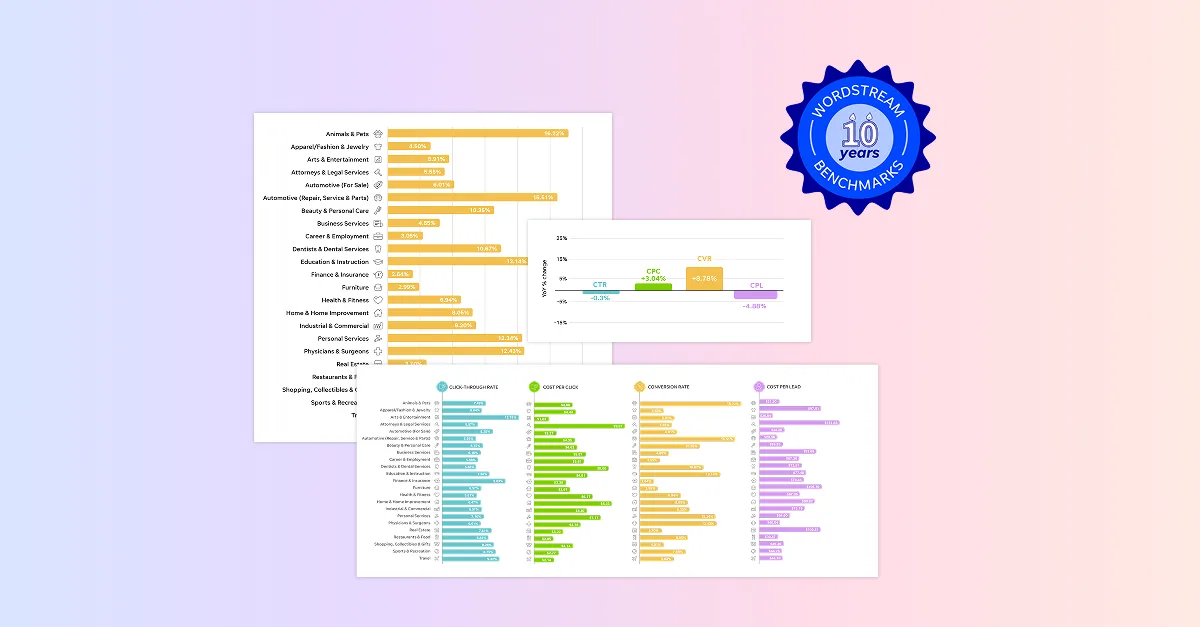
- Use industry benchmarks to know exactly what types of costs are realistic for your business.
- Look back on any historical data you might have in your account to understand trends in your campaign spend.
- Factor in seasonality to see how costs might fluctuate throughout the year.
- Realign with your goals and measure your budget against your expectations.
There is no minimum budget a business needs to run Google Ads, so don’t let budget hold you back from taking advantage of this powerful advertising channel. Check out these statistics:
- The average cost per click in Google Ads in 2025 is $5.26.
- Most new Google Ads campaigns can cost around $20-50 per day.
- People who click on Google Ads are 50% more likely to convert to leads or sales.
- Digital ads can increase brand awareness by 80%.
- PPC returns $2 for every $1 spent—a 200% ROI.
- PPC generates double the number of website visitors that SEO brings in.
- Paid ad channels with the highest reported ROI rate are Facebook ads and Google Ads.
- PPC ads in search results account for 45% of page clicks.
Although Google Ads might not be the cheapest channel out there, the data above proves that advertising on Google can be well worth the cost—and that cost isn’t always as high as you might expect.

How to make Google Ads more affordable for your business
You don’t have to stretch your budget thin to find success on Google Ads. Here are 11 ways you can lower your Google Ads costs.
💸 Mitigate budget bleeds and increase your Quality Score with our free guide to six easy ways to save money in Google Ads NOW!
1. Import your campaigns into Microsoft Ads
Microsoft Ads has been proven to be cheaper than Google Ads, and it’s easier than ever to run both in tandem thanks to the import tool in Microsoft Ads.
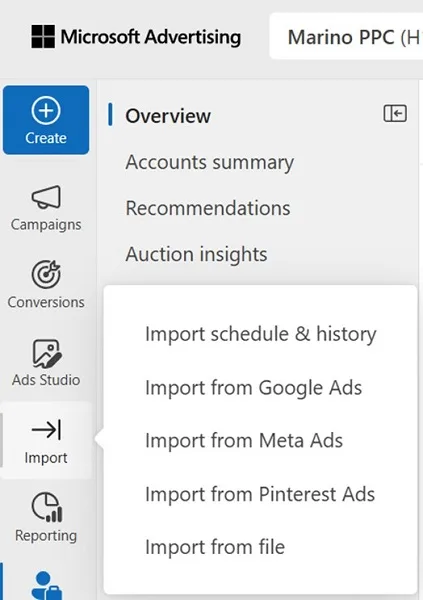
With the Microsoft Ads import, you can copy your Google Ads campaigns over to Microsoft Ads to run promotions on both platforms seamlessly. This will help you save money as the average campaign cost per lead when using Microsoft and Google Ads combined is less than half the cost per lead of campaigns on Google Ads alone.

2. Run Meta Ads simultaneously
Like Microsoft Ads, Meta Ads are also a great complement to your Google Ads strategy because they tend to have a lower cost. In fact, the average Facebook ads cost per click ranges from $.70 to $1.92, which, again, is a bit lower than the Google Ads average CPC at $5.26.
Not only does advertising across platforms provide a smooth cross-channel experience for your customers, but it also allows you to even out your ad costs. Plus, it makes your brand extra recognizable across the board, which might incline more potential customers to click on your ads.
As you generate more clicks this way, your expected click-through rate (one of the three Quality Score factors) in Google Ads will go up. And, increasing your overall Quality Score correlates to how much you end up having to bid per click on Google Ads (more on this later).

3. Restructure your account
Your account structure can have a huge impact on your Google Ads costs. For example, if you’re spreading your budget thin across too many campaigns, ad groups, or keywords, it can make it seem like you can only afford so much within the platform.
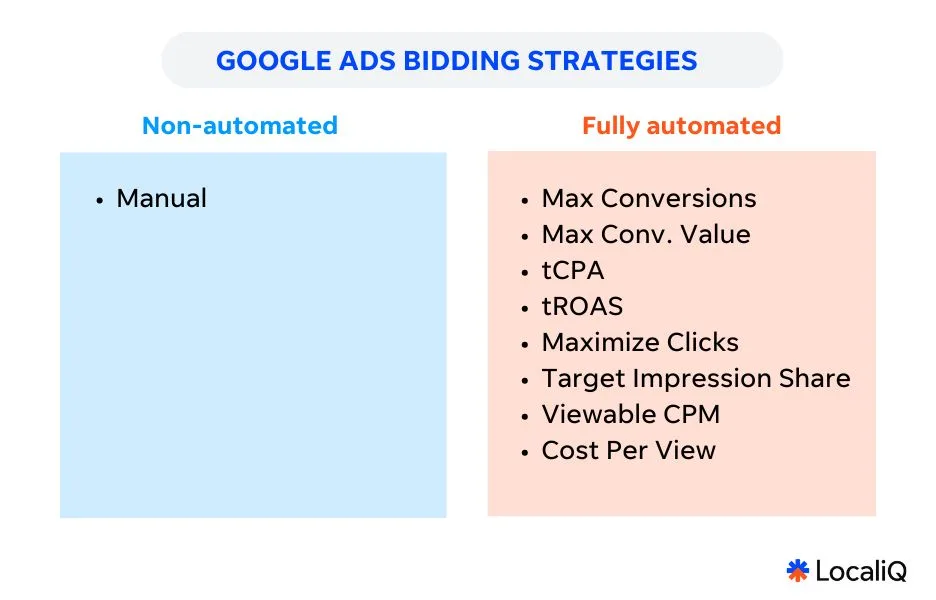
The settings you select within your campaigns affect your costs as well. For example, certain bidding strategies tend to spend more aggressively than others. It can be best to rely on Smart Bidding strategies since they are designed to adjust your bids according to your ROI goals. Check out all the pros and cons of every Google Ads bid strategy here.
4. Try a PMax or Demand Gen campaign
Considering cheaper placements outside of standard search campaigns can be key to lowering your Google Ads costs. Be open to automated campaign types, like Performance Max or Demand Gen campaigns.
These campaigns can be more budget-focused because they automatically serve your ads in lower-cost placements such as the Google Display Network, Gmail Ads, and more.
5. Use AI to save on creative costs
Instead of spending a ton on third-party design tools, freelancers, and more, you can lean into AI to handle your Google Ads creative tasks. There are a ton of handy AI design resources and prompts you can use to offset any creative work required to build high-quality Google Ads. For example, Google Ads has AI creative capabilities available in the ad builder within the platform.
Just be sure to give any AI-generated ad content a final, manual edit before it gets published to maintain your brand consistency and credibility.

💡 Aside from designing image and video ads, you can use AI to write ad copy, too. Try our free AI copy tool to get copy-and-paste ad headlines and descriptions in less than a minute.
6. Tap into cheaper audiences
Speaking of AI, you can let AI organize and build your audience lists so that you don’t have to spend a ton on CRM software subscriptions. Not only that, but Google offers audience automation options within the platform that help you expand your audience and reach to achieve decreased costs.
7. Run Local Services Ads
Local Services Ads (LSAs) are another low-cost campaign option within the Google Ads platform that are designed for service-based businesses. The best part about LSAs is that businesses running them get charged per lead, rather than click. That way, you’re only spending your budget when your LSAs have brought in real results. The average cost per lead for LSAs is typically between $25 and $45.
8. Build out your SEO strategy to fill in PPC performance gaps
If you want true search results page domination, you’ll have to dig into organic search marketing, too. Building a strong SEO strategy in tandem with your PPC campaigns can offset your Google Ads costs by bringing in consistent, free traffic over time. With SEO, you’re tapping into another set of potential customers who might otherwise scroll past ads.
9. Research third-party Google Ads tools or partners
There are plenty of marketing partners as well as third-party tools you can tap into when you feel your Google Ads are getting expensive.
For instance, when you work with a trusted marketing partner, their professional expertise can help diagnose and monitor spend fluctuations. From there, they can help you progress towards lower CPCs and CPLs.
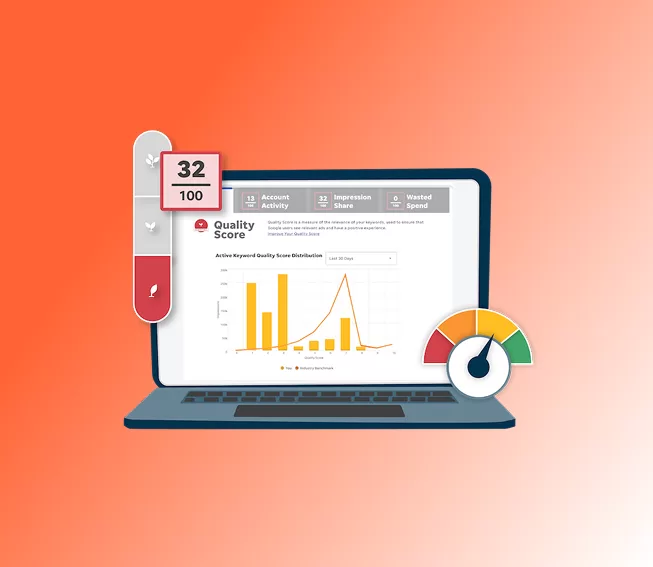
10. Go back to the basics by focusing on Quality Score
Like we mentioned earlier, your Quality Score is a determining factor in how far your budget will go in Google Ads.
Remember, Google has a job to do. It’s constantly trying to balance the best quality ad for the user while also showing ads that will result in the most ad revenue.
The better your ad relevance, expected click-through rate, and landing page experience (the three Quality Score factors), the less you’ll have to pay per click. In that case, Google’s algorithm would view your ad as one that provides a higher-quality experience for its users, which makes them want to come back to Google for more. So, your Quality Score plays a major role when it comes to your campaign spending behavior in the auction environment.
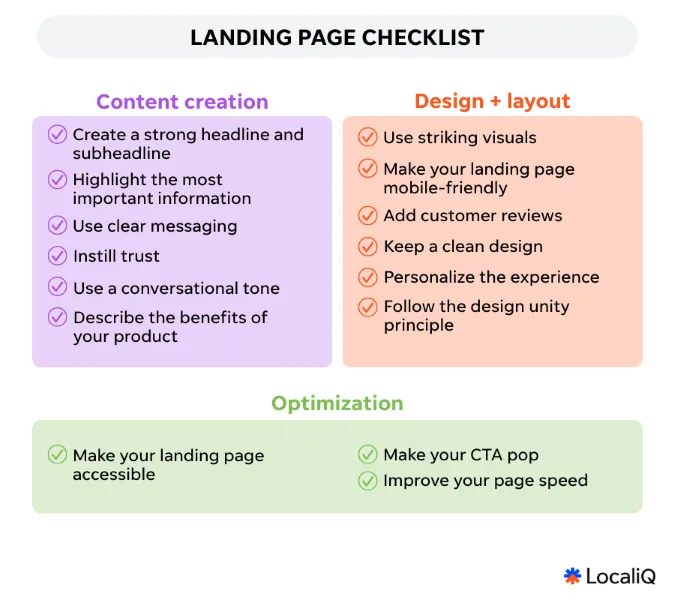
Two ways you can start working on your Quality Score are cleaning up your keyword lists to maximize your ad relevance or refreshing your landing pages (using a checklist like this example below) for a better user experience.
⚡ Want ideas to increase your Quality Score and optimize your Google Ads strategy? Get an instant account audit using our Free Google Ads Grader!
11. Use a budget-planning template to keep your spend on track
You can try using free budget-planning templates to keep your Google Ads spend on track with what your business is able to afford. For example, this free template from WordStream puts tackling your Google Ads budget into three easy steps. It even includes budget calculation formulas already set up within the sheet, so you can see how much you should be spending on Google Ads without having to be a numbers wiz.

What to do if Google Ads is truly too expensive for your business
If you tried all the ideas above but still find Google Ads unfeasible for your business at the moment, don’t give up! This can happen in instances where a newer or smaller business is establishing its ads in an industry with very expensive CPCs or CPLs.
Here’s how you can pivot if you find that Google Ads is a strategy that’s just not in the cards right now.
Establish and improve your website
Your website is at the core of your digital marketing strategy and is worth putting some time and resources into, especially when funds are limited.
If you’re not bringing in traffic to your site from Google Ads, you’re likely still sourcing visitors organically or through other channels, like social media. All those website visitors, no matter the channel they originated from, can convert into leads or sales directly on your website at virtually no additional cost to your business.
To increase your website conversion rates, be sure your site is accessible and easy to navigate, with clear actions users can take to move through your sales funnel.
Check out some website examples from businesses in your industry to get ideas for how to jazz up your pages.
Grow an audience on social media
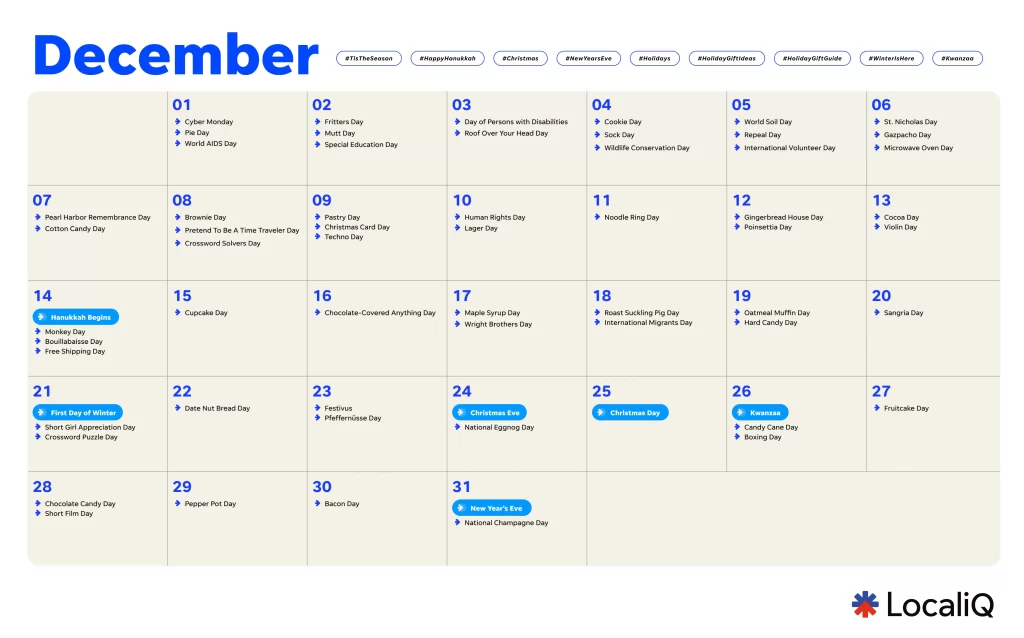
Your social media audience can be another great source of low-cost leads or customers. Use a social media marketing calendar to help fill your post schedule, so you can establish a consistent presence on social media and start building a solid audience from there. Try starting on popular platforms like Instagram or TikTok to ensure you capture the most potential customers possible.
Run email marketing
Turn the first-party data you might already have into high-converting email lists you can structure targeted campaigns around. For example, you might be collecting emails with a contact or sign-up form, in which case you could nurture those leads with compelling and personalized email content.
Plus, email lists don’t typically cost much to maintain and give you a direct line to potential customers without paying for each impression or click as you would on Google Ads.
Partner with complementary local businesses
Simple business partnerships that are mutually beneficial can be a low-cost way to increase brand awareness and get involved in your local community. Try to find a business that offers products or services that align with your own, and see how you could co-host sales, social media takeovers, and more.
Focus on reviews and reputation management
Your reviews and online reputation can make all the difference when marketing and advertising your business on a tight budget. Social proof, like star ratings, customer testimonials, and more, is a cost-free way to convince potential customers to choose your business when they’re evaluating their desired product or service options.
In fact, 90% of people look at reviews before visiting a business, and 84% of people trust online reviews as much as a recommendation from someone they know. Plus, once you build out your profile on top business listing sites, you can scale up other low-cost advertising options like Yelp Ads and so on.

Yelp Ads can cost as little as $5 per day.
Find the right advertising strategy for your budget
With the right strategies in place, any business can find success on Google Ads, regardless of budget constraints. If you’re not quite at the point where you can advertise confidently with your current budget, there are plenty of alternative marketing and advertising strategies you can use instead to get your business out there (try using seasonality adjustments, for example). For more help navigating advertising costs, see how our solutions can maximize your budget for the best campaign performance possible.

Recommended for you



Unlock your business potential
We offer innovative technology and unparalleled expertise to move your business forward.