


It’s no secret that capturing your audience’s attention is equally as challenging as it is rewarding. Trends in digital marketing are constantly evolving to meet consumer needs. People are now forever on the go with their mobile devices, and they don’t always have the time (or attention span!) for long reads anymore—which has resulted in a push for video content.
With mounting pressure to keep up with constant digital changes, implementing a video marketing strategy can feel like a daunting task for your small business–but it doesn’t have to be.
Today, we’ll be demystifying small business video marketing by sharing winning ideas and tactics you can use to generate more video views that lead to repeat customers. By the end of this post, you’ll have the clues you need to crack the code on how video marketing can work for your business!
Contents
- What is a video marketing strategy?
- Why do small businesses need video marketing?
- What are the types of video marketing?
- How to build your video marketing strategy
- Video marketing ideas to help you get started
- Even more video marketing ideas
What is video marketing?
A video marketing strategy is a marketing strategy that uses any form of video to promote your business across the web. Examples of a video marketing strategy can range from TV commercials to Instagram Reels.
With video marketing, you’re telling a story to your audience in a visual and engaging way. This means your video strategy will encompass all aspects of marketing, like planning, creative, editing, sharing, and promotion.
🌱 Ready to grow your business with video marketing? Start now with our free, easy-to-use growth strategy template.
Why do small businesses need video marketing?
When it comes to video marketing success for small businesses, the numbers speak for themselves. Check out these video marketing statistics:
- Businesses that use video marketing get 66% more qualified leads per year.
- 72% of consumers prefer watching videos to learn about new products or services over any other type of marketing collateral.
- If you want to see your small business expand at a speedier pace, businesses that use video grow revenue nearly 50% faster than non-video users.
- 87% of businesses using video marketing reported an increased ROI.
- 74% of businesses are satisfied with a video marketing strategy they’ve tried.
- 47% of businesses are planning to invest more in video marketing this year.
- 58% of businesses are interested in trying, or have already started trying, short-form video content.
So, you don’t want to be the oddball left out of the awesome benefits that video marketing (whether long or short-form) can bring to your small business!

What are the types of video marketing?
Here are some common types of videos to consider as you plan your video marketing strategy (and we’ll dive into the details in a few!):
- Testimonials
- Social media videos
- Employee Q&As
- Behind-the-scenes videos
- Product demos
- Live social media videos
- Educational videos
- Vlogs
- Conversational or podcast-style videos
- Animated videos
- Documentary-style videos
- A-day-in-the-life videos
- Webinars
- Comedic sketches
- And much more!
🚨 Videos play a major role in promoting your business year-round. Find out how to stay consistent with your video marketing all year using our free guide to always-on marketing!
How to build your video marketing strategy
So, you know for sure want to jump into a video marketing strategy. Well, here are eight steps to help you get rolling (pun intended):
1. Identify your target audience
Your first step in creating your video marketing strategy is to identify your target audience. (Answer these questions to help you find your target audience.) Understanding your target audience will inform your overall strategy and the types of videos you create.
For example, if you’re targeting teens or young adults who prefer goofy music videos, how you execute that will be way different than if you were targeting retirees who might be more interested in a Q&A-style interview video.
2. Start with overall video marketing goals
You’ll want to identify the purpose behind your need for a video marketing strategy. Maybe you want to use video marketing to promote a certain product line. Or perhaps you want to give your clients a more personal, human look at your business by showcasing your employees. Or, maybe you just want to try it to see how it increases engagement. All are valid goals!
It’s easy to get bogged down with the intricacies of individual videos, so this will act as your “big picture” driving force to help keep all your video marketing efforts consistent.
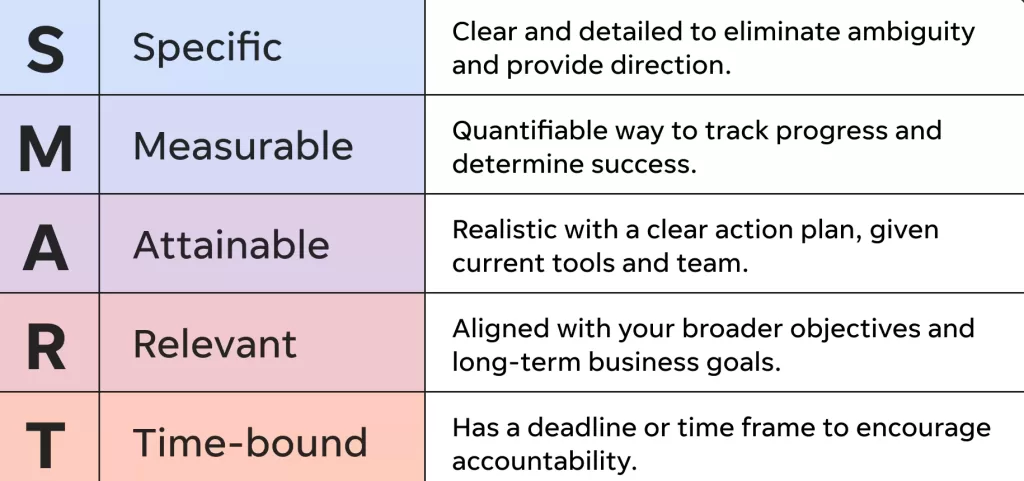
Like any marketing planning, it’s helpful to start by creating SMART goals for your video marketing. So, if you’re unsure where to start when setting your video strategy goals, try this:
- Specific: Your video strategy’s purpose should be clear on what exactly it’s going to do to help promote your business.
- Measurable: What will success for your video marketing strategy look like to you? And, how will you track whether you’re reaching that success along the way?
- Attainable: Be realistic with things like budget, time, and efficacy. If we could get 10 new customers for $1 worth of video work, it’d be too easy!
- Relevant: You’ll want your video strategy to relate to your business’s overall mission and content strategy thus far.
- Time-based: Give yourself a timeframe of when you’d like to see your video marketing strategy come to fruition so that you can benchmark success along the way.
3. Map out video topics
Once you’ve taken a step back to look at the big picture of your video marketing strategy, you can start pre-planning your video topics. This will help you stick to your budget and timeline. Mapping out topics beforehand also ensures each video is purposeful and contributes to your overall video strategy goals.
If you have no idea what topics mesh with your goals to begin with, then try to have each video answer a question. For example, if your goal is to showcase the helpfulness of your gym’s staff, then your first video could answer the question of “how does the staff help newcomers learn to use a certain set of machines?” And your second video could answer “how does the staff help to keep the gym clean?”
Get more YouTube video ideas here.

4. Set a video budget and timeline
While you may have included some of this information as part of your SMART goals, it’s important to create a realistic budget and timeline once you’ve outlined your video topics.
Not every video will require a budget—you might prioritize social media videos as part of your strategy that you can create on your phone—but every video will likely require some sort of time commitment from you or someone on your team. Determine what makes sense for your business as far as video production cadence, who can help with videos, and more.
If you are investing in videos that will require some kind of budget, make sure to include that as part of your overall marketing plan and create a strategy to use your video across multiple channels so you can see some great ROI.
5. Create videos that can fit all platforms
We’re all about working smarter, not harder when it comes to video marketing. So, one thing you can do to save your future self some time is, when editing, make your video pre-fitted for all platforms you plan to use. For example, your own website might not have the video size and length requirements that Meta or X might have.
Therefore, you may need to rework the same video multiple times so it fits across platforms and your website all in one swoop. There are plenty of online video editing or AI-powered tools that can help you with this, or if you need an extra set of hands find a marketing partner with their own video team that can help with editing.
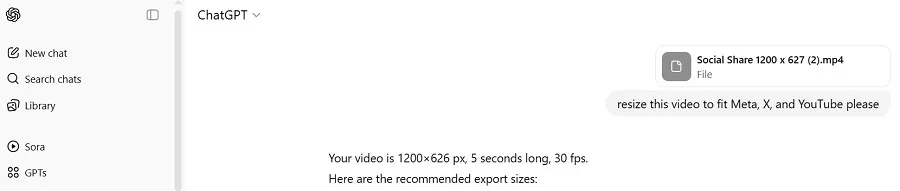
You can use AI to help you reformat your videos for different platforms. Check out more AI prompts to help with this here.
6. Create a YouTube channel
If you’re implementing a video marketing strategy, having a YouTube channel is a must since it’s an easy way to get your videos out on a highly trafficked video platform (and potentially have your videos rank on Google).
Plus, 90% of people discover new brands or products on YouTube, so it’s something you want to incorporate into your marketing strategy.
To post a video to YouTube or run YouTube ads, you first have to have a channel. So setting one up is vital to any video marketing strategy.
Here are five easy steps to get it done:
- Navigate to youtube.com
- Sign in to your Google Suite or YouTube account
- Click your profile picture icon in the top right of the YouTube home screen
- Click Create a channel
- Follow the steps to fill in your information, then you’re ready to post videos!
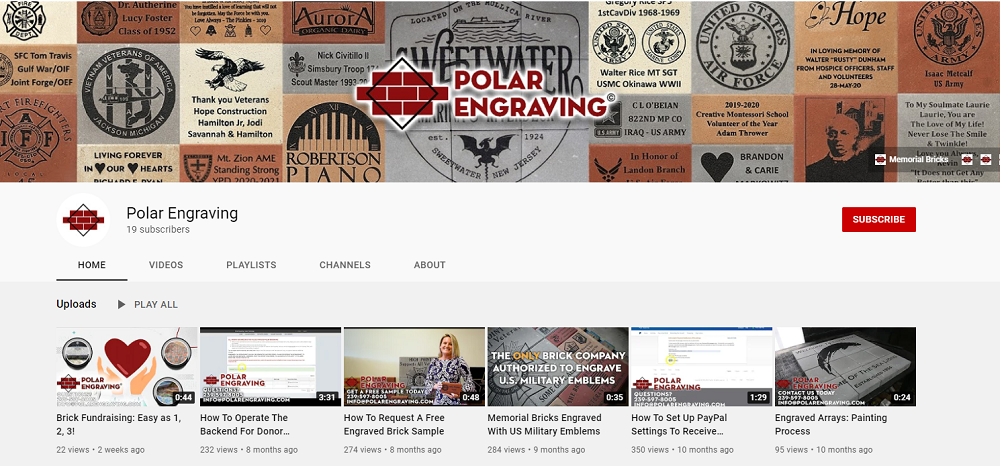
Don’t forget to promote your YouTube channel after you create it!
7. Post videos on social media
Did you know that social media posts with video have 48% more views than non-video social posts? Not only that, but 92% of users watching videos will share them with others.
So, even just uploading your video to your social accounts by fitting it into your normal social posting schedule will help you to get more views on your posts.
When you post a video to your social media pages, you’re increasing your visibility and boosting awareness for your business by reaching new audiences through shares!

8. A/B test different video types
Between animation, customer testimonial videos, instructional webinars, demos, behind-the-scenes vlogs, comedic skits, and more──there are plenty of video types to choose from! Your best bet is to try a few that you think could click best with your audience, and A/B test to see what really works.
You can do this by taking the same topic concept and structuring it into two different video types. From there, run them at the same time and see which one gets more engagement. When you’re consistently trying out new video types, you’re giving your audience something fresh to see while also identifying what performs best!
Video marketing ideas to help you get started
Here are some video ideas to get your strategy going.
1. Host a library of informational videos on your website
When people visit your website, they’re most likely looking for more information about your business. Your videos will do that right off the bat by answering those questions your visitors may have. Also, having a collection of videos on your site may boost your SEO efforts since a website is 53 times more likely to reach the front page of Google if it includes a video.
Plus, since you’re capturing your visitors through videos on your page, you’ll likely see your session time (how long your visitors stay on your page) rise as well, which indicates higher quality traffic.
You or your webmaster can paste your video embed script onto your website’s code so that your videos can hang out on your website.

2. Encourage customers to make video submissions
If you’re struggling to build up content for your video marketing strategy, then this tip is the shortcut you need! Crowdsourcing video submissions from current or prospective customers not only engages them but also saves you time and resources in creating a video yourself!
An added bonus of this idea is that your other audience members will get a more personalized experience of understanding who your customers really are. You can try this by offering a small incentive or running a video contest with a prize for the best submission!

3. Have your employees star in a video
Another way to crowdsource video content is to look internally. We frequently discuss how your employees should be your brand cheerleaders—and your video marketing strategy is the perfect place for them to showcase their talents. You can leverage your employees to discuss their area of expertise within your business for an educational webinar series or even interview them for an employee profile mini-series.
Your employees are a more authentic (and more affordable!) alternative to hiring actors, and in return, they can share the video they starred in on their LinkedIn for professional development!
4. Turn a blog post into video content
Aside from looking to your employees and customers for a content boost, you should also pay attention to your past top-performing content. For example, an evergreen blog post that brought in a lot of traffic could be indicative of a topic your audience historically favors.
From there, the video script is already done for you right from the blog! You can take the blog outline and follow the same sequence–but with a conversation or skits instead of written content.

5. Recap video footage from a recent event
Whether you host your own in-person or virtual event, or join in on a community event, you could take any video content you recorded that day and transform it into a recap video. You could highlight your favorite parts of the event, and tease how your customers can join your business at similar events in the future.
Even more video marketing ideas
Here are a few extra video marketing ideas, rapid-fire style:
- Partner with a local business to co-host a video you can cross-post
- Create a product or service tutorial video
- Do a behind-the-scenes “day in the life” video of running your business
- Recap the story of how your business all started in a look-back video
- Add your own twist to a viral video trend on TikTok or Reels
- Give a tour of all your product or service offerings
- Make a highlight reel of your favorite photos, videos, or memories from your business in the past year
- Run a contest or giveaway, and share live updates on your Instagram Story, LinkedIn, or YouTube channel
For more video marketing ideas to fuel your strategy, check out this resource.
Get going with your small business video marketing strategy
Don’t wait! The key takeaway from our video marketing research is that video content is a hot ticket for consumers right now, and it’s only going to grow year over year. Video ads can help your small business stand out by capturing your audience’s attention through engaging and creative content. With these key tips, you’re sure to see video marketing success without breaking your back or the bank. For more help bringing your small business’s video marketing strategy to life, see how our solutions can help you create, optimize, and promote your videos across every marketing channel!

Recommended for you







Unlock your business potential
We offer innovative technology and unparalleled expertise to move your business forward.