


✨ Quick overview
This article outlines the key digital marketing trends shaping 2026, highlighting how brands must balance rapid AI innovation with a renewed focus on authenticity, human connection, and community-building.
Key takeaways
- GEO and AI-driven discovery become more important as consumers increasingly rely on AI tools for research and recommendations.
- Agentic AI and advanced personalization help marketers scale smarter campaigns, optimize ads, and deliver more relevant experiences.
- Micro-influencers, real video, and leader-led content build trust by emphasizing authenticity over polish.
- Community-building and brand belonging play a bigger role in loyalty and retention.
- Nostalgia marketing helps businesses emotionally connect with millennials and Gen Z.
Break out your crystal balls, it’s time to glimpse into the not-so-distant future. We’re kicking off a new year, and you’re probably wondering what’s in store with digital marketing trends for 2026.
This year, we’re seeing a mixed bag of technological advancements paired with a renewed interest in creating personal connections. New tools and features are making things like personalization-at-scale a reality for every type of business. Meanwhile, new twists on influencers, brand communities, and nostalgia marketing are taking shape.
Our list of digital marketing trends explores the ins and outs of the marketing landscape for the year ahead. Use them to strengthen your plans and get a jump start on 2026.
Contents
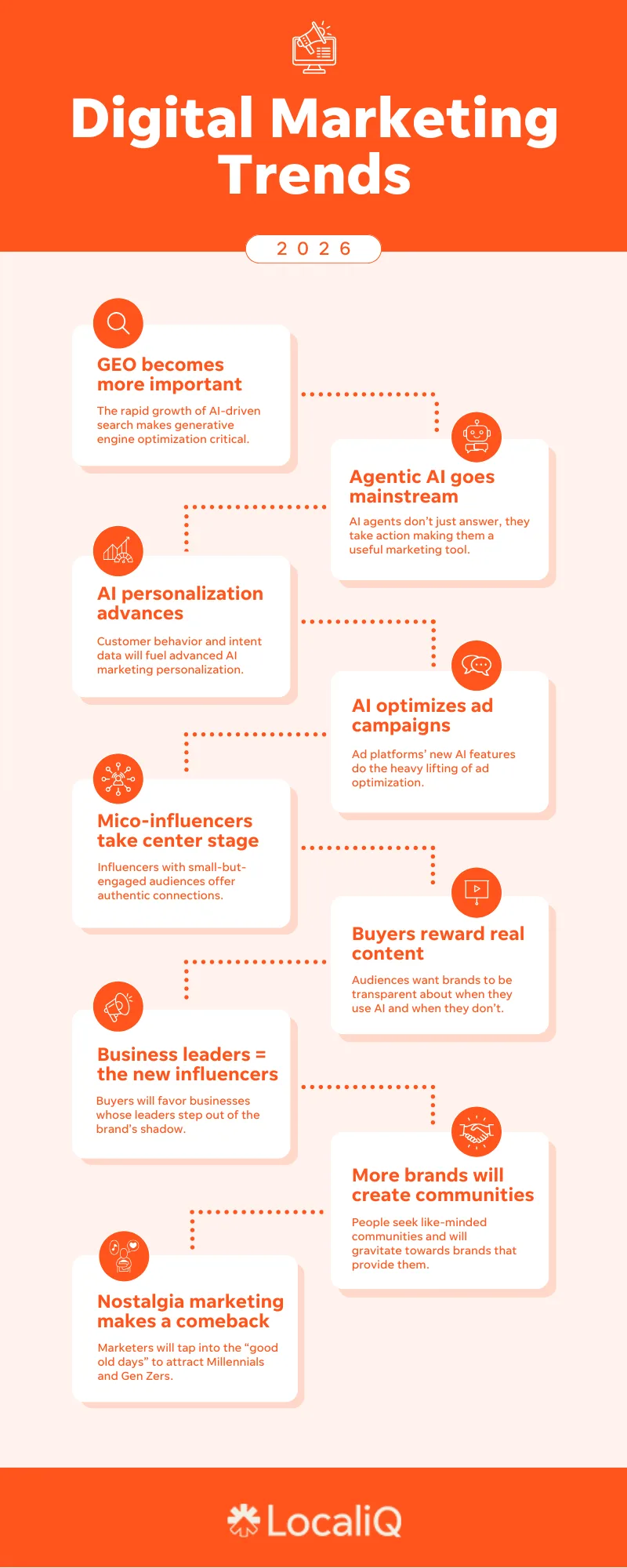
- GEO becomes more important
- Agentic AI goes mainstream
- AI-powered personalization gets more advanced
- AI helps optimize ad campaigns even more
- The power of micro-influencers increases
- Buyers will reward real video and photo content
- Business leaders will be more visible in marketing content
- Cultivating community will be an important brand-building activity
- Nostalgia marketing will deepen connections with millennials and Gen Z
Top digital marketing trends of 2026
Just as AI is integrated into every aspect of digital marketing, consumers and marketers alike are pushing back on some aspects of it. This year’s digital marketing trends show a balance between extracting benefit from new AI capabilities and refocusing on human-to-human connections.
1. GEO becomes more important
A fundamental part of your job is ensuring your brand’s content is discoverable online. For many years, search engine optimization (or SEO) was a huge component of that work.
SEO involves a series of on-page and off-page tactics that help content appear in relevant search engine results. From keyword research to generating backlinks, there was a tried-and-true set of actions marketers could take to help their content rank better.
AI search has disrupted that. A report from McKinsey shows consumers are turning to AI with questions that span the customer journey, from general awareness questions to queries about specific products. Even those who rely on traditional search engines are getting AI answers. Half of all Google search results now include AI overviews, and that number is expected to jump to 75% by 2028.
All of this means that businesses, even small ones, will need to pay more attention to AI platforms to succeed in 2026.
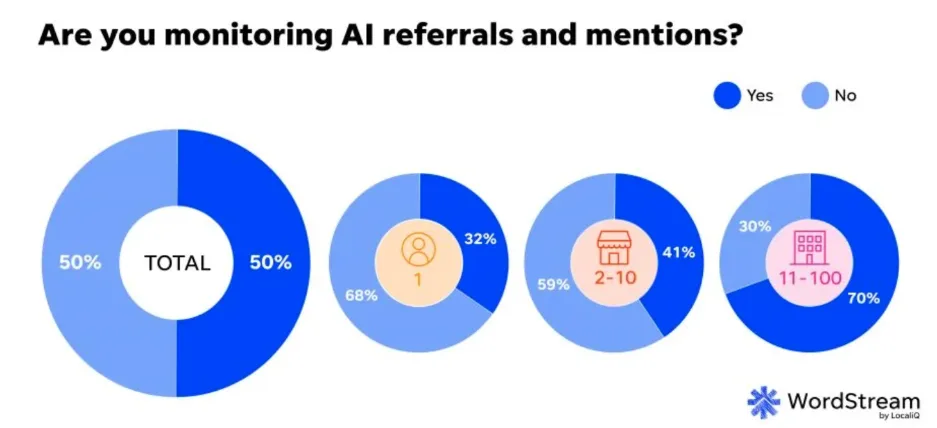
Half of SMBs are already tracking AI referrals and mentions.
This is an emerging field, so many are testing approaches to see what now works for SEO and how that compares to GEO best practices. But early results are seeing Reddit chatter, press mentions in reputable publications, and other third-party proof points getting brands name-dropped in AI search results.
🛑 Stay ahead of the SEO curve! Learn How to Do SEO Right—Right Now
2. Agentic AI goes mainstream
If you’ve used an AI chatbot, like ChatGPT or Claude, you know that interaction involves back-and-forth. You prompt the AI tool, and it generates a discrete result. If the output needs refinement, you provide additional context, then get an adjusted AI response.
Agentic AI is different. While basic agentic AI is already available, the promise of next-gen agentic AI is a tool that’s capable of completing a complex task independently.
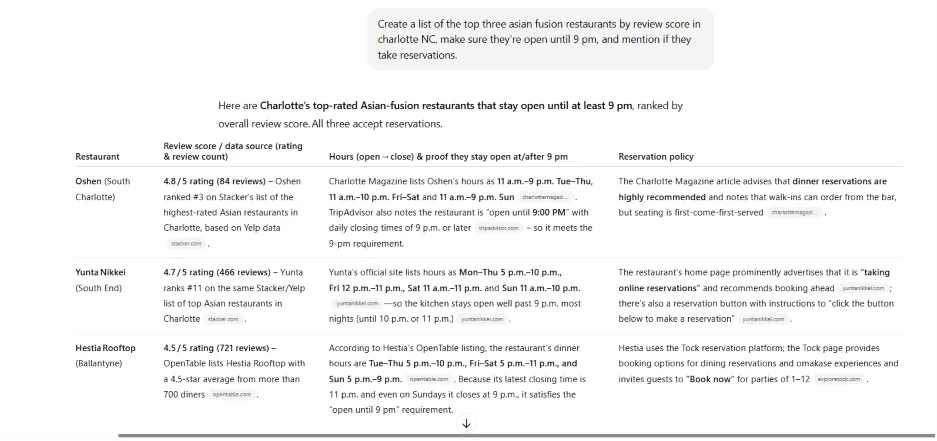
For example, ChatGPT’s Agent mode combines deep research with advanced task completion features. So instead of just asking for a restaurant recommendation, a user could give it the task of reviewing ratings to find the top three restaurants of a certain type and dig for details like their reservation policies (and place it all in a handy chart).
Obviously, technology like this would be transformative for marketers in a number of ways, and 2026 is a time to watch for evolution in the agentic AI space.
First, agentic AI may change the way consumers shop for and purchase your products or offerings. Agentic shopping is already happening, and it’s likely to increase in 2026. A customer may ask the AI agent to find something specific (Think: “Find me a highly-rated, organic facial moisturizer for under $100 that comes with free expedited shipping”), and the AI will return with options.
Getting your brand found will mean your product must be discoverable by AI agents. This requires rethinking your website and ensuring data is structured and legible to AI “eyes.” In 2026, successful marketing content will be intelligible to humans and AI agents alike.
On the flip side, marketers can incorporate agentic AI into their own workflows. AI-enabled tools, like LocaliQ’s Dash, leverage agentic AI to lessen the workload on your human team. Dash can manage incoming calls and texts, then pass leads off to a human with supporting materials (like AI-generated transcripts), helping your team easily guide the lead toward the next step in the sales process.
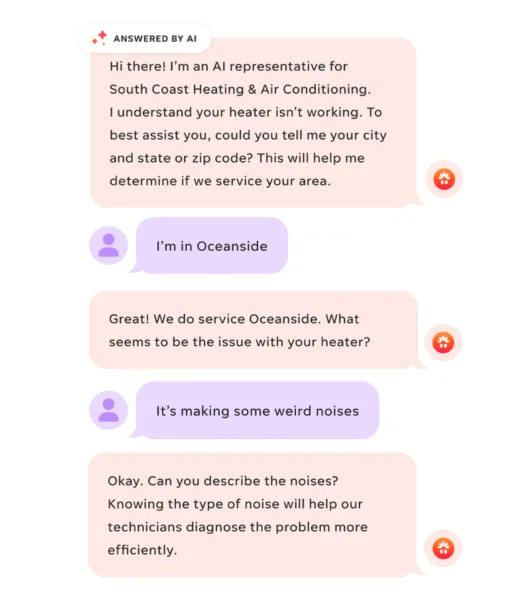
Dash by LocaliQ uses AI to reply to leads and help you keep track of them.
Finding opportunities to incorporate agentic AI into your internal workflows and consumer-facing systems will be part of digital marketers’ worlds in 2026.
3. AI-powered personalization gets more advanced
Digital marketers have seen the powers of personalization firsthand. Even years ago, marketing emails with basic personalization outperformed non-personalized messages. ActiveCampaign reports that emails with subject-line personalization are 26% more likely to be opened.
AI opens up new realms of potential personalization that extend way beyond the “Hi {{first_name}}” tag in an email. With AI, you can introduce in-depth personalization across the digital marketing ecosystem. For example, you might:
- Launch enhanced personalized product recommendations on your ecommerce site, informed by past user behavior.
- Send emails with dynamic content that ensures your audience sees the exact right message for them.
- Crunch more customer data faster, allowing for more detailed audience segmentation and messaging that reflects real customer behaviors.
- Create website chatbots capable of more nuanced, detailed conversations that effectively address questions, driving sales and improving customer satisfaction.

This peer-to-peer furniture marketplace uses AI to offer personalized “you might also like” product suggestions.
As AI continues to evolve in the coming year, digital marketers should be on the lookout for even more opportunities to employ it in hyper-personalization.
4. AI helps optimize ad campaigns even more
Even though AI platforms like ChatGPT are on the rise, social media and search engines continue to be the top advertising channels for many marketers.

Social media and search engine advertising are top marketing channels for many SMBs.
As marketers continue to invest in these advertising channels, platforms like Google and Meta add AI functionality to help them optimize their campaigns.
In 2026, look for AI tools to support every step of the advertising process on search and social, including smarter bidding, laser-focused audience targeting, and improved ad creative. AI can even dynamically redirect your ad budget between channels to make sure your ad dollars get the best return.
Additionally, AI will supercharge A/B testing efforts. New solutions allow for dynamic testing of ad variations to find the creative combination that drives the best results.
AI can also support the reporting and refinement process by quickly and efficiently analyzing performance across platforms, so you can make fast improvements to your existing campaigns.
🚀 Leverage the power of AI in your social and search advertising. Download 9 Powerful Ways to Use AI in Google & Facebook Ads
5. The power of micro-influencers increases
If there’s one cohort that’s great at fostering interpersonal connection, it’s influencers with small-but-engaged audiences. Fans and followers of nano and micro-influencers—those with between 1,000 and 100,000 followers—feel a deep connection to them, and they take recommendations from their favorite influencers seriously.
Perhaps that’s why influencer marketing continues to grow. Statista projects that we’ll close out 2025 with a $32.55 billion global influencer marketing market size (up from just $1.7 billion in 2015).

Micro-influencers will help small businesses boom in 2026.
And in many cases, it’s not the mega-influencers with millions of followers powering this trend. Brands want to work with small influencers because they hold more sway with their followers. Research shows micro-influencers have an average engagement rate of 3% on sponsored content, more than doubling the 1.3% engagement rate among influencers with 500,000 or more followers.
If you’ve not yet embraced influencer marketing as part of your digital marketing strategy, 2026 might be the year to get on board. Working with nano- or micro-influencers is accessible for even the most fledgling of brands, and it can drive real results.
6. Buyers will reward real video and photo content
68% of consumers report hiding or unfollowing a brand that posted “inauthentic content” on social media. While AI has the potential to accelerate your content creation processes, if it’s done wrong, it can create uncanny valley-like visuals that alienate your audience.

Real, personal video will be a winner on social media in 2026. Seed Atlanta’s founder hopped on Instagram to share a BTS video promoting an upcoming plant sale.
That’s why posting real video and photo content is the way to go for brands. Share your business, your team, and your customers as they really are. Audiences value authenticity over polish, so don’t worry that you need to create an Oscar-worthy video.
Give followers a behind-the-scenes look at the stockroom chaos that happens after a Black Friday sale. Show them a “day in the life” video of your founder navigating business decisions and their personal life. Post photos of your smiling team providing excellent service to your customers.
And remember to keep these videos and photos in a format that social media platforms reward. That means following each network’s image and video guidelines and including popular formats like short-form video.
7. Business leaders will be more visible in marketing content
Speaking of authenticity and access to real people, 2026 is a year to think beyond your brand when developing your digital marketing strategy. Yes, creating brand-led content is essential. But how else can you strengthen the connection consumers feel to your business?
Increasingly, the answer is to involve your leaders in content creation. From the rise of the founder newsletter to small business owners growing huge Instagram followings, 2026 is a great time to invest in creating content coming straight from your leadership team.

This cafe owner’s Instagram antics have earned the business a huge following.
Share your leader’s unique perspective on industry trends and the highs and lows of running a business. Showcase their personality and establish more authentic connections with followers who feel they really know the person behind your brand.
The idea that people buy from brands they know, like, and trust is a foundational marketing principle. Make your leader into a person people feel they know and like, and trust in your brand will follow.
8. Cultivating community will be an important brand-building activity
Humans are social creatures who want to feel like they belong to an in-group. That’s why brands that establish and grow a true community around themselves can see real results. 66% of consumers say they’re loyal to brands that have welcomed them into their community, and 66% of companies report that community-building impacts customer retention.

Hero Cosmetics has built a combined loyalty and member community where fans gather to talk about skincare.
So what does it take to nurture a community? It starts with creating a place for your fans to gather. You might:
- Establish a Facebook group that’s separate from your brand page, but related to your business: If you own a garden center, your group might be dedicated to home gardeners seeking advice on how to keep plants thriving.
- Create a channel on a messaging platform like Slack, Signal, or WhatsApp: A marketing agency might create a space where small business owners can gather and share guidance on all sorts of topics—from inventory management to bookkeeping to, yes, marketing.
- Build a killer social presence: go beyond passively posting content and transform your social channel into a place to gather. If you run a neighborhood bookstore, host Instagram Live sessions with local authors, or establish a book club that announces new titles online and gathers in person at your store to discuss them.
The one caveat on this digital marketing trend for 2026 is that it requires additional legwork to build a thriving community. Be realistic about your bandwidth!
9. Nostalgia marketing will deepen connections with millennials and Gen Z
What’s more human than fondly remembering the “good old days”? In 2026, nostalgia marketing that harkens back to the ‘90s and early aughts will help you connect with millennials and Gen Z.

This arcade bar is new, but its entire brand is powered by a hefty dose of nostalgia.
Millennials and Gen Z make up over 40% of the US population and wield an increasing share of the buying power. As these buyers are also reaching an age when they have memories of past decades, nostalgia marketing is a great way to attract their attention.
Use throwback songs to underscore your TikTok videos, create an ad campaign with a Lisa Frank-inspired color palette, and try out some email subject lines that capture a bygone era.
Use these digital marketing trends to exceed your goals in 2026
Digital marketers have always been capable of quick pivots. After all, the internet moves fast! But AI is only accelerating the speed at which we need to rethink and recalibrate our strategies, so perhaps the biggest digital marketing trend for 2026 will be adaptability.
Successful marketers will be watching for signals that it’s time to shift, and they’ll be ready to sprint in whichever direction is necessary, whether that’s paving the way for a new AI solution to enhance workflows or rolling out an ad campaign infused with sincere human emotion.
If you’d like to stay ahead of the curve and make use of the AI to get more out of your marketing, contact us, and we’ll show you how your solutions can help.

Recommended for you





Unlock your business potential
We offer innovative technology and unparalleled expertise to move your business forward.