


The real estate market is cyclical. Part of thriving in the industry is understanding how to ride the wave and maintain your own momentum, regardless of what’s happening around you.
One of the best ways to build a healthy real estate business is to create a sustainable, sound marketing system that connects you with home buyers and sellers where they’re searching for your services. According to a LocaliQ real estate study of over 1,100 home buyers, we found that real estate websites, search engines, and you (direct connections with brokers and agents) are the top sources people use to find new homes.
To grow your business substantially and sustainably, you’ll need a strong presence in several marketing channels.
That’s why it’s important to start with a strong real estate marketing strategy and build out a set of repeatable tactics to support it. With new clients coming from several sources, you’ll succeed in both the boom times and more stagnant periods.
In this guide, we’ll explore several real estate marketing ideas and tips to power your business, plus expose a few common mistakes to help you avoid them.
Contents
- 10 real estate marketing ideas to get more closings
- Real estate marketing tips that attract clients
- Common real estate marketing mistakes to avoid
-
10 real estate marketing ideas to get more closings
Success in real estate marketing doesn’t happen overnight. Many people won’t be ready to buy, sell, or rent when they first encounter you. That’s why consistency matters. By investing in always-on marketing tactics that keep you top-of-mind, you position your firm or property to be discovered when someone is finally ready to make a real estate move. These ideas can help you build and maintain a presence in your area.
1. Optimize your site for local SEO
Real estate is inherently a local game. You’re engaging with buyers, sellers, or renters in your geography, so building a website that’s discoverable in local queries is essential.
Local SEO can help your firm or property stand out when people type in something like “luxury rental building near me.” And since nearly 6 in 10 homebuyers say they’re interested in relocating, you’ll show up in their searches as well.
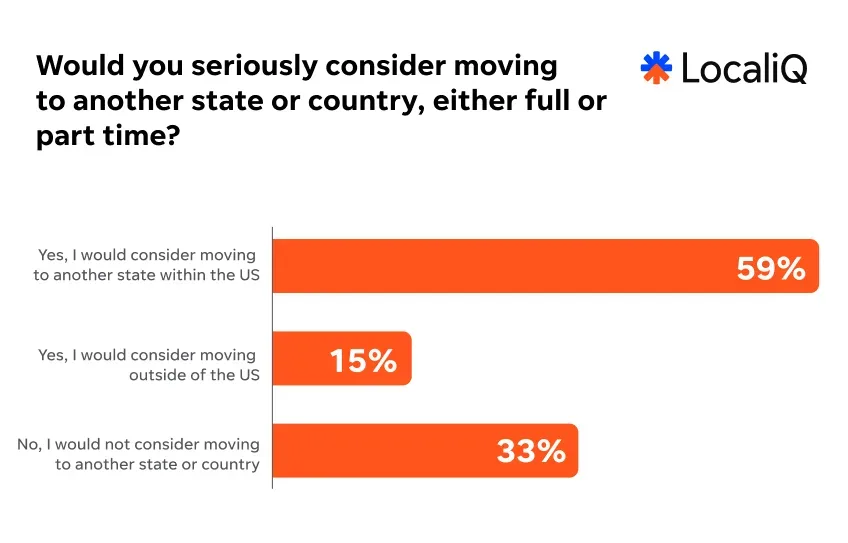
Effective local SEO requires a combination of on-page and off-page tactics. Including local keywords in your website copy and blog articles is a great place to start. Then, move on to the technical side, ensuring your site is fast, mobile-friendly, and has a clear URL structure.
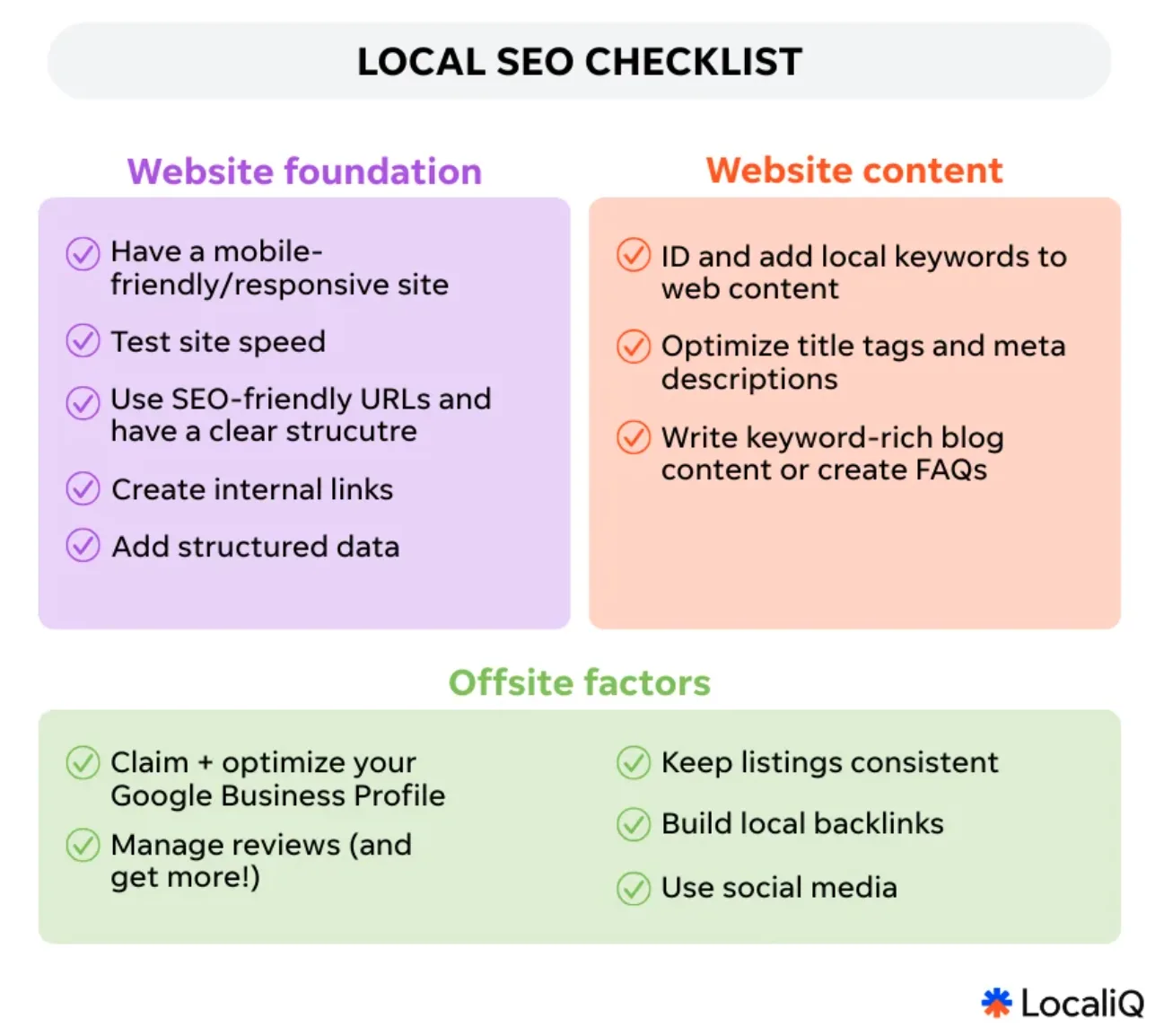
Finally, invest some time in getting your offsite factors polished by claiming and optimizing your Google Business Profile and other local listings. And don’t forget to build up those reviews. (Check out this article for even more local SEO tips and mistakes to avoid.)
🚀 Claim the most valuable square footage in search results. Download 12 Free Ways to Get on the First Page of Google
2. Get on social media
In today’s digital world, social media is one of the core tactics in any successful marketing strategy. And for those in real estate, platforms where you can show off the properties you’re listing are a great place to establish your presence.
Instagram and TikTok are both visual-first social media platforms, centering video and photography content. The demographics on each social platform can vary, with TikTok skewing slightly younger, but both are great places to share glossy images and video tours of your listings.
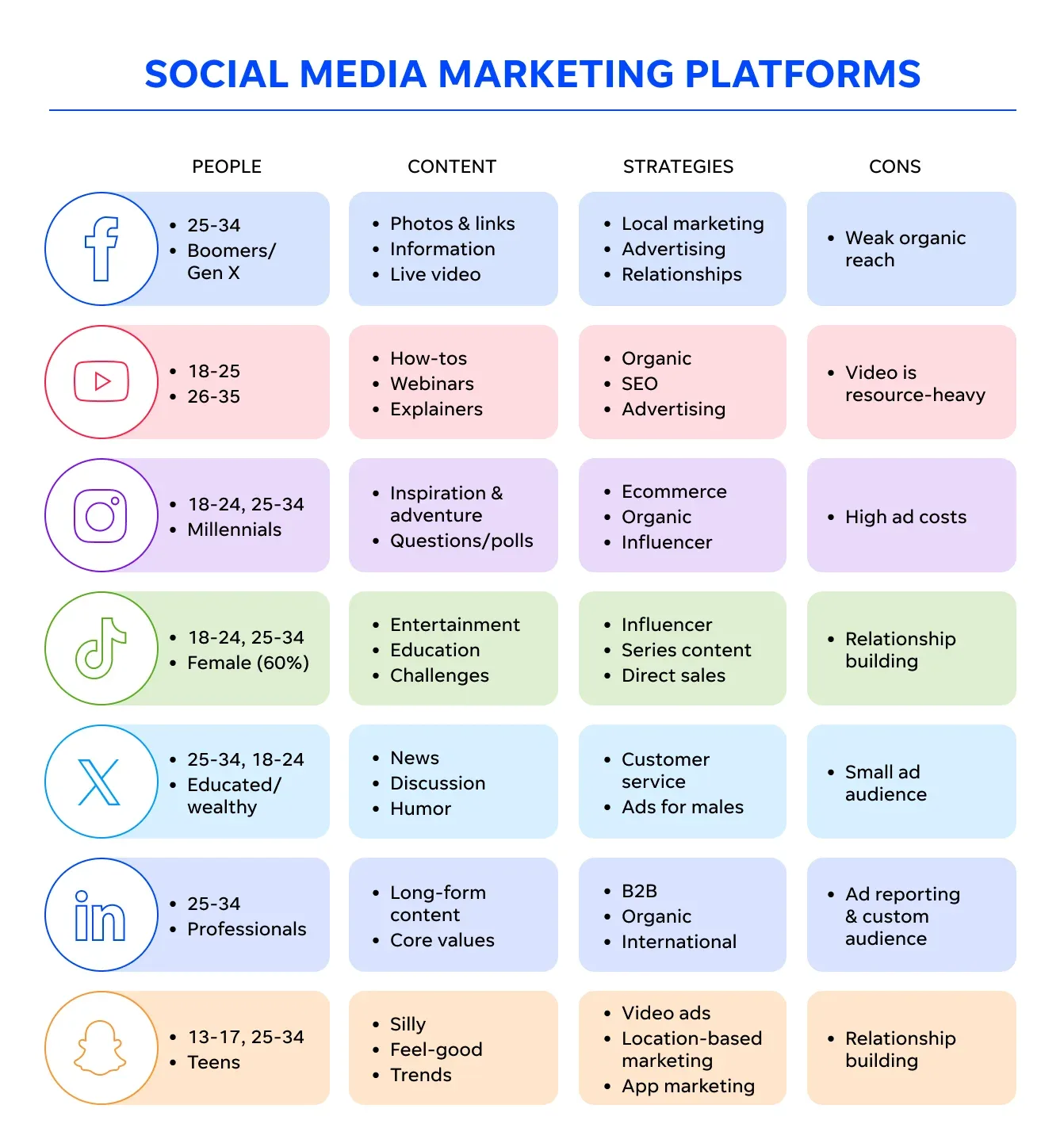
Wherever you ultimately choose to build your presence, remember that consistency is key with social media. Posting regularly and at the right time helps you appear regularly in followers’ feeds. And using hashtags strategically can help new people discover your content.
To keep your feed full, try sprinkling in other content alongside posts about your listings. You might also share:
- Educational content (“What’s the difference between a fixed-rate mortgage and an ARM?”).
- Behind-the-scenes (“Watch our team stage this living room!”).
- Posts about the team (“Get to know us.”).
- Information about the area (“The team’s favorite bakeries on Main Street”).
- Testimonials from happy clients.

3. Start a newsletter
Another great way to stay in your audience’s line of sight is to launch a newsletter. Sending a regular email message allows you to appear in readers’ inboxes with consistency, and as a real estate expert, you have plenty of knowledge to help fill up your email newsletter calendar!

People who are considering a move are always curious about what’s happening in the wider world of real estate. Whether buying, selling, or renting, it’s a big, costly decision, and people like to be armed with knowledge before diving in.
Your newsletter can cover perennial topics, like tips for first-time homebuyers, or more timely information, like quarterly updates on the local housing market. As you regularly share your expertise, you’ll position your firm as a go-to for sound real estate advice.
4. Try SMS marketing
SMS marketing is an incredibly effective way to reach leads. With open rates sitting around 98%, there are few methods that are better if you want your message to be read.
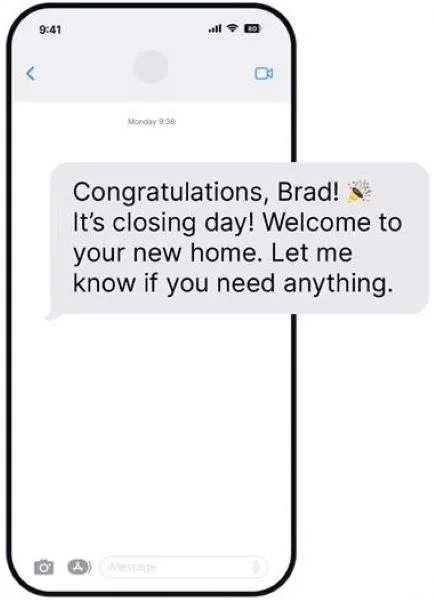
Just like with email, you need to get consent before sending texts to contacts. Once people have opted in, devise a strategy for using text to stay in touch. Every message should offer something of value (like these templates do), whether it’s a general update, appointment reminder, or follow-up on a recent meeting. You can even use an AI SMS agent to automate informational texts like requests for quotes or additional information.
5. Send direct mailers
When your job is to help people buy or sell homes, sending promotional mail to their home can be a potent tactic. And the best part is that you can target your direct mail sends by location and other demographic features, like age, household size, and income.
While not every direct mailer will reach someone right when they’re ready to make a real estate move, sending mailers consistently helps you remain top of mind and increases the likelihood that you’ll meet a prospective buyer, seller, or renter when the time is right.
6. Get involved in the local community, in person and online
Of all the resources buyers use to find a new home, their agent or broker is the second most popular, behind only real estate websites and apps.
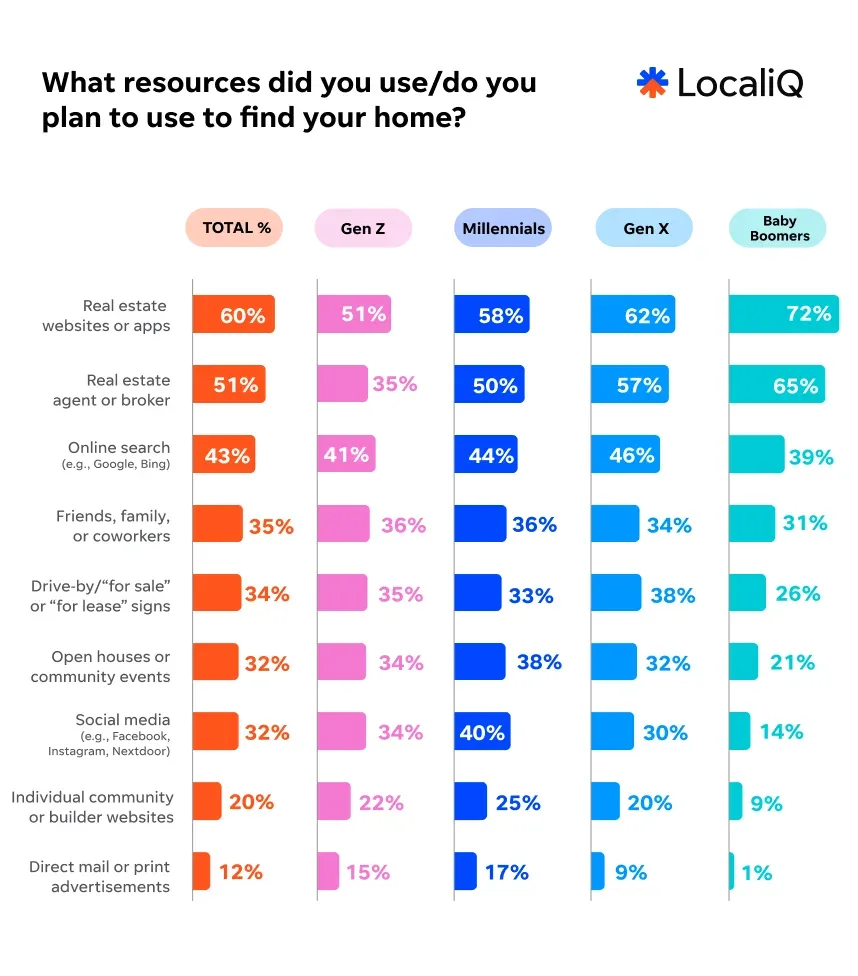
You are still one of the most important marketing channels at your disposal.
That means getting yourself in front of more people is still one of the most powerful ways to find new clients. Not to mention how important referrals are, which you can get more of by staying connected to prior clients.
There are dozens of ways to engage your community, both online and in person. Joining online communities that are focused on your area is one easy place to start. Consider the local town Facebook group, Subreddit, and Nextdoor network. As people chat in these groups, you can chime in as a neighbor and a professional. There’s no need to explicitly pitch your services unless someone asks directly for help, but simply being a useful resource builds goodwill for your business.

In-person seminars like this one are a great way to engage and grow a community.
You can also take your community-building efforts offline. To get involved in the local community, you might:
- Join the local Chamber of Commerce.
- Attend or sponsor annual events in the town (get a float in the July 4th parade, sponsor the holiday market).
- Donate to local charities.
- Sponsor a local kid’s sports team.
- Give free educational talks about home ownership at the community center.
7. Run digital ads
In 2025, 52% of homebuyers first found the property they ultimately purchased on the internet. If your listings aren’t visible online, they may be excluded from searches before people even lace up their shoes to go see their first home.
Digital advertising allows you to target your advertising to a relevant audience, segmenting by demographic information like age, income level, family size, and location. As for the type of digital advertising to run, businesses in the real estate industry have lots of choices:
- Google Ads: Build a campaign to run ads targeting specific keywords on Google. These ads allow you to appear at the top of the traditional blue link results, ahead of your competitors in organic results.
- Google Local Services Ads: This special type of Google ad puts your business in a list alongside other relevant service providers in your area. Searchers are prompted to contact you directly through the ad, and you only pay when people reach out.

These Local Services Ads invite searchers to connect directly with the agents by phone or message.
- Social media advertising: Whether you’re on Instagram, TikTok, Facebook, or somewhere else, you can run advertising campaigns for your properties or your larger business. Carousel ads on Facebook and video ads on TikTok or Instagram are great ways to showcase your listings.
- Display advertising: These ads have a visual component, which is perfect for people highlighting elements of a beautiful home or apartment! Consider integrating retargeting into your display ads strategy, where you show your ads to those who have already visited your site.
- Real estate listing platforms: Sites like Zillow and Apartments.com allow you to run sponsored listings. This is a great way to get your property to the top of relevant search results.
An important question is how much you’ll spend. This guide to Google Ad costs is a great place to start.
🛑 Not familiar with pay-per-click advertising? Get PPC 101: The Complete Beginner’s Guide to PPC
8. Encourage online reviews
Building up a repository of online reviews is essential for building trust and standing out from competitors. Today’s consumers put a lot of weight on what reviewers say online—54% consider online reviews ahead of recommendations from family, friends, and influencers.
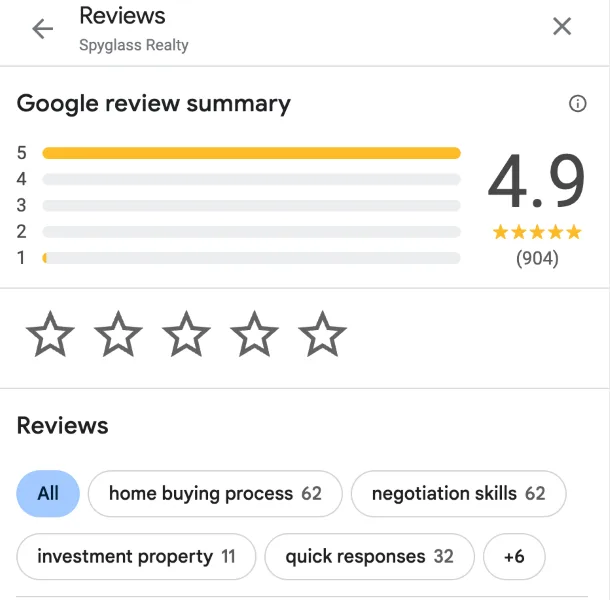
A 4.9 average review can go a long way toward building trust with prospects.
Sometimes the easiest way to gather new reviews is to ask! Reach out to past clients or residents and request that they share their honest feedback on Google. Include a link to your review page so it’s easy for them to take action.
When they do leave a review, respond publicly. If it’s positive, you can thank them for their kind words. If it’s negative, address it tactfully using these techniques.
9. Build a referral program
Referrals are often a key component of a thriving real estate business. To encourage past clients and industry partners to send new leads your way, consider building a formal referral program.
It doesn’t need to be complicated. Share the steps people can take to refer a friend, and offer the referrer an incentive to claim if the lead becomes a client. Then, share this program with your contacts so they know it exists. Post about it on social media, highlight it in your regular newsletter, and create a referral page on your website.
Tips for real estate marketing
If you’re already checking off all the boxes on marketing essentials, you may want tips to optimize your real estate marketing efforts. These simple tweaks to what you’re likely already doing can have an outsized impact on your marketing and sales success.
Invest in high-quality photos
Professional photography isn’t cheap, but it is an investment. Research has shown that homes with professional photos sell faster and command a higher price.

If you’re relying on your iPhone and a tripod to take your listing photos, you’re missing out on an opportunity. Professional photographers don’t just come with a high-powered camera. They also understand the nuances of lighting, angles, and composition. They know how to make minor adjustments to a photograph that can have a major impact in making a space look more appealing.
Build a lead management system to keep track of your contacts
As your real estate business grows, so too will your professional network. Past clients, prospects and leads, community influencers, business connections in adjacent industries—keeping in touch with all these people can garner referrals down the road.
At a certain point, your phone’s contact list or a spreadsheet just won’t cut it. You need a tool that’s purpose-built for managing relationships. That’s why investing in a lead management system as your business grows is essential. Lead management systems can help you catalog every connection you make, then keep you on track with follow-ups and check-ins, so you don’t miss opportunities to turn a connection into a client.
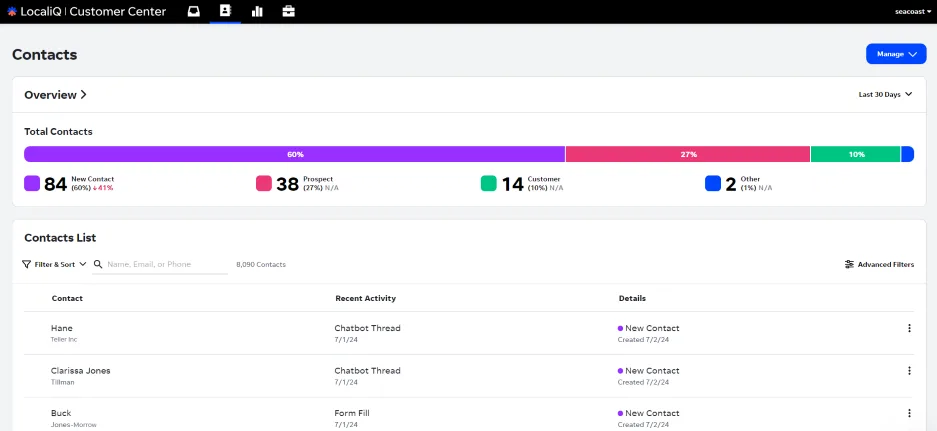
A visual lead-management system makes it super easy to see where your leads came from and where they are in your pipeline.
Learn how to leverage video
Video marketing is only growing more popular. And when you work in an industry where visuals matter (like real estate), learning to leverage video in your marketing efforts can pay dividends.
Start by adding video to your listings. Those with video tours get 403% more inquiries than listings without them. Then, try your hand at video on social media. Film property tours, complete with your own commentary about the best features, and put them on TikTok or Instagram.

A quick, educational video is the perfect draw for your real estate business on social media.
You might also consider creating a YouTube channel. This is a great place to share more evergreen content, like educational videos about the home buying process, that establish you as a trusted voice in the industry.
Each form of video content serves a unique purpose in your marketing engine, from attracting new leads to nurturing existing ones.
Give thoughtful client gifts
Some say the first impression is most impactful. But a great last impression can be just as important. After your client has closed on their dream home, consider purchasing a thoughtful gift that will inspire them to reflect fondly on your working relationship.
A monogrammed keychain or a gift basket of treats from a beloved local bakery are two ideas that tie into the occasion and serve as a meaningful gesture to wish them well in this new chapter of their lives.
Closing your relationship on a kind note helps remind your client that you’re a thoughtful, intentional partner, and just might make them more likely to refer you to friends in the future!
Share your knowledge generously
When you’re in a field driven by commissions and sales, it’s easy to get tunnel vision and focus only on activities that contribute directly to the bottom line. But real estate is a highly relational business. Sometimes, activities don’t have an immediate ROI but can strengthen relationships and lead to income later.

Being a generous resource in your community is one of those activities. Buying or selling a home is a high-stakes process that can feel opaque to those who don’t do it every day. When you share your insider knowledge, you put people at ease and make them feel more confident in their real estate decisions. Of course, you share this wisdom freely with clients, but making it available to people who aren’t working with you yet can help you win new business.
Some ideas to try:
- Host a “Buying Your First Home 101” event with a local housing-focused non-profit, bank, or at your town’s community center.
- Create a webinar series on building up a real estate investment portfolio, and advertise it on social media and via your email newsletter.
- Share tips ad hoc in local community forums where others can see you generously giving advice and offering support.
Common real estate marketing mistakes to avoid
No one said real estate marketing was easy. These pitfalls are very common, but once you know to be on the lookout, you can devise a plan to address them.
Inconsistency with content creation
Anyone in marketing knows how hard it can be to produce content regularly. Whether it’s your blog, newsletter, or social media posts, establishing a steady cadence of content is challenging but essential.
It’s common to start out strong with a new channel, posting or publishing regularly to start, then falling off as the weeks or months drag on and it becomes harder to maintain. To avoid this hazard, start by creating a strategy for your content. What is it that you want to say on this channel? Clarifying your messaging goals and pillars can help you establish a guidepost for content creation.
Then, map out your content calendar. Having to create content ad hoc each day is stressful and creates a high likelihood it will simply fall off the to-do list. Creating a plan at the start of each month helps you feel confident executing on your vision.
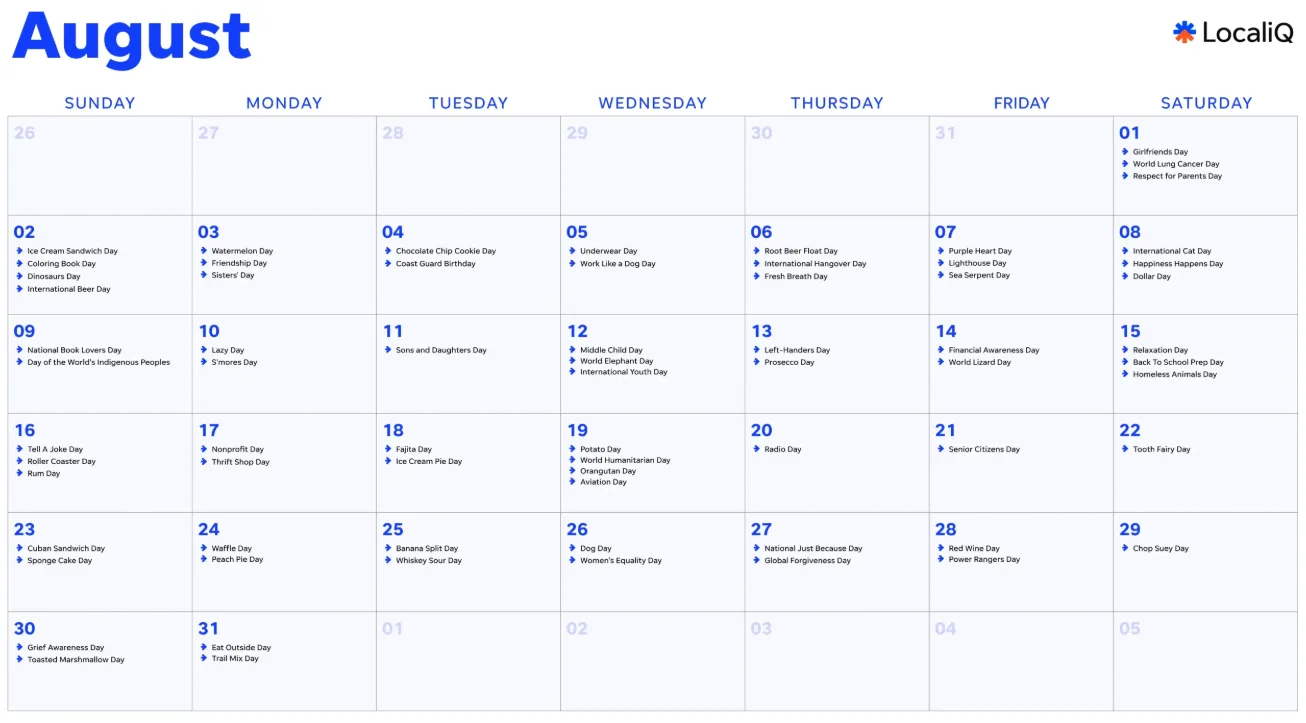
This marketing calendar is full of post ideas to use as your jumping-off point for your own calendar.
Chasing unqualified leads
The world of real estate is filled with tire kickers. How do you determine who’s attending the open house for fun and who’s actually in the market for a home? It’s not always easy, but identifying the serious leads is key to finding success in the industry.
There are some universal signals that a buyer is not that serious—they show up without a pre-approval letter, or they rush through an open house without asking any questions—but as you get to know your market, you may identify other, more specific signals to watch for.
If you’re looking to spot the leads who are most qualified, turn to your past clients to guide you. What characteristics do your best clients have in common? Look for prospects who share those traits to find people who might be a right fit.
Not differentiating yourself from the competition
Real estate is a highly competitive industry. Whether you’re a real estate agent or owner of a multifamily property, prospective buyers or renters have dozens of options when it comes to who they work with or where they rent.
If you’re not making an effort to differentiate your real estate firm or your property, you’re likely missing out on sales opportunities. Effective differentiation starts with defining what sets you apart. Creating a positioning statement helps you articulate what you do, how you do it better than anyone else, and why prospects should choose you.

Include positioning statements that set you apart in all of your marketing communications.
To craft yours, you must be able to identify your target market, market category, competitors, key benefits, key features, and distinct advantage. Understanding all those elements can take some time. You may need to research competitors, speak with past customers, and do some soul searching. But the effort is well worth it when you come out with a clearly defined framework for differentiating your business.
Taking too long to respond to leads
Real estate is a fast-moving industry. When people are interested in a property, they want to see it before someone else can swoop in and make an offer! That’s why being speedy in responding to incoming leads is essential to finding success.
But this can be easier said than done. If a new property lists or it’s a busy season in your rental market, you could be fielding dozens of incoming calls, texts, and emails a day.
New technology, like LocaliQ’s Dash, can take the pressure off you by giving prospective clients the speedy answer they need. It will reply to client inquiries and keep track of incoming leads so nothing falls through the cracks.

Real estate marketing ideas and tips to strengthen your existing foundation
Once you’ve designed a marketing strategy for your real estate business, the ongoing work becomes finding new ways to implement it. It’ll be important to keep your existing tactics fresh while uncovering shifts that can help you expand your reach.
These tips and ideas can help you strengthen the work you’ve already done and evolve into the next level of marketing for your real estate business.
But we’re just getting started. Reach out, and we’ll show you exactly how our solutions help real estate businesses find, track, and manage new leads from all marketing channels.

Recommended for you



Unlock your business potential
We offer innovative technology and unparalleled expertise to move your business forward.